


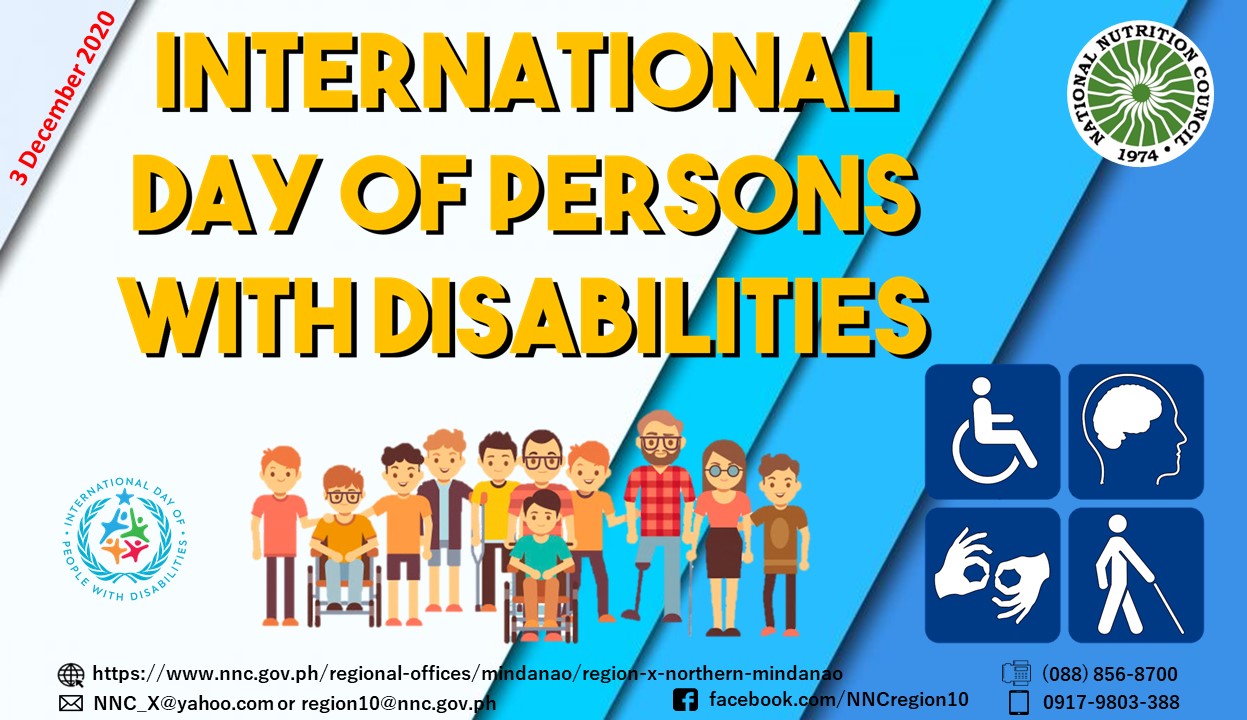
 As the world is struggling with COVID-19, the pandemic is also highlighting the pre-existing inequalities. This year, the International Day of Persons with Disabilities (IDPD) which is observed on 3 December, reflects that with the theme “Building Back Better: toward a disability-inclusive, accessible and sustainable post COVID-19 World” to raise public awareness on understanding, acceptance, and ensuring the right for the inclusion and responding to the needs of people with disability in all aspects of society and development, especially in times of pandemic.
Persons with disabilities (PWDs) are disproportionately affected by the barriers to social and economic inclusion in this time of pandemic, including inaccessible physical environments and transportation, the unavailability of assistive devices and technologies, non-adapted means of communication, gaps in service delivery, discrimination attitude towards them and stigma in the society. Due to these barriers, PWDs have been among the most vulnerable populations during periods of crisis. Despite this, it is a perfect opportunity to build back better our health system by strengthening the efforts to take actions for the inclusive and responsive to the needs and human rights of people experiencing disability.
During the COVID-19 pandemic, isolation, disrupted routines, and lack of access to health care services have greatly impacted the lives and well-being of PWDs with the current situation around the world. That is why it is crucial to continually spread awareness to the public on understanding and ensuring the aspirations and rights of PWDs, as the world continues to fight against the virus.
According to the World Health Organization (WHO), it is estimated that more than one billion people, or 15% of the world’s population – experience some form of disability. This number is likely to increase due to the rise of population ageing and an increase in the prevalence of noncommunicable diseases.
PWDs are more likely to encounter adverse socioeconomic outcomes such as less education, poorer health outcomes, lower levels of employment, and higher poverty rates.
Furthermore, poverty may increase the risk of disability through malnutrition, low access to health care, high levels of under nourishment, higher risk of illness and injury, unsafe working conditions, a polluted environment, and inadequate to safe water and sanitation.
The strategy for improvement of health issues for PWDs is nutrition. Through nutrition means it can contribute a critical information about the effects of different foods and diet on people’s health. Understanding nutrition and applying it for each individual, especially as it relates to health and disability, can be one of the best ways that can improve the quality of life for PWDs, prevent health issues, and even advance your physical well-being.
Experiencing a disability does not mean that you are not healthy because being healthy is the same thing for all of us which is to stay well, active, and live life to the fullest. That means having the information or tool guide can lead us to make a healthy choice and knowing how to prevent illnesses.
For PWDs, having these health problems related to a disability can be treated and these problems, also known as secondary conditions which includes pain, depression, and a greater risk for certain illnesses.
To stay healthy, PWDs require health care that meet their needs as a whole person not just a person experiencing some forms of disability. Majority of the people with or without disabilities can stay healthy by learning it and living a healthy lifestyle.
Here are tips for leading a long and healthy life for most people with or without disability:
- Be physically active.
- Choose a healthy diet.
- Maintain a healthy weight.
- Get regular checkups.
- Avoid smoking.
- Use medicines wisely.
- Limit alcohol intake.
- Get help for substance abuse.
- Stay in touch with family and friends.
- Call your health care professional if you need help.
Although persons with disabilities experience issues when participating in healthy living behaviors as those living without disability, PWDs need greater attention and considerations regarding health care service without discrimination to improve opportunities for living well in this society, especially during this COVID-19 pandemic. (PHA John Paul D. Navarro, RPh)
References:
World Health Organization. International Day of Persons with Disabilities. Retrieved from: https://www.who.int/news-room/events/detail/2020/12/03/default-calendar/international-day-of-persons-with-disabilities
United Nations Educational, Scientific and Cultural Organization. International Day of Persons with Disabilities 2020. Retrieved from: https://en.unesco.org/news/unesco-commemorate-international-day-persons-disabilities-2020
World Health Organization. Disabilities. Retrieved from: https://www.who.int/disabilities/idpd-2018/en/
World Bank. Disability. Retrieved from: https://www.worldbank.org/en/topic/disability
Centers for Diseases Control and Prevention. Disability and Health Healthy Living. Retrieved from: https://www.cdc.gov/ncbddd/disabilityandhealth/healthyliving.html