


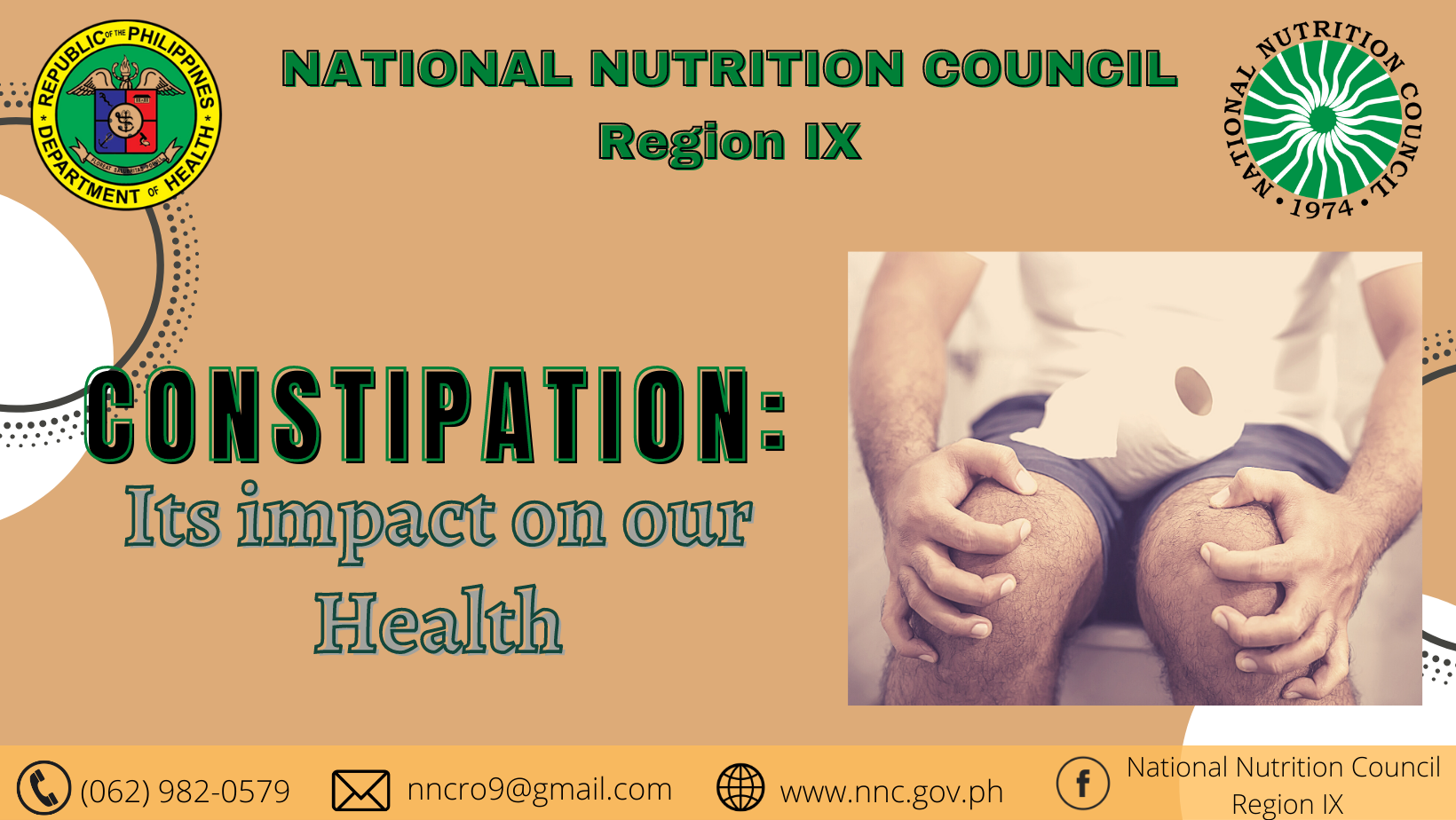
 According to the Gastroenterology Division at McMaster University and Hamilton Health Sciences Assistant Professor Dr. Maria Ines Pinto Sanchez, et al, Constipation is physically and mentally troublesome for many individuals and can significantly interfere with their daily living and well-being. Chronic constipation can affect from 2% to 27% of the population. Although, only a proportion of individuals with constipation seek medical care, most of them use prescribed or over-the-counter medication to improve their condition.
How would you know if you are constipated? Medical News Today states that a person having fewer than three bowel movements a week may have constipation. Constipation can happen for many reasons, such as when stool passes through the colon too slowly. The slower the food moves through the digestive tract, the more water the colon will absorb and the harder the feces will become.
Some people experience chronic constipation that can interfere with their ability to go about their daily tasks. Chronic constipation may also cause people to strain excessively in order to have a bowel movement. Some common symptoms of constipation are having difficulty passing stool, straining when passing stool, passing less stool than usual and lumpy, dry, or hard stool.
There are common causes for constipation and one of these is something to do with one’s diet and lifestyle. A diet insufficient of fiber may cause constipation. People with a high intake of dietary fiber are less likely to experience constipation. Fiber promotes regular bowel movements, especially when a person combines it with proper hydration. High fiber foods include fruits, vegetables, whole grains, nuts, lentils, chickpeas, and other legumes. The Philippine Dietary Reference Intakes 2015 recommends that an adult Filipino must consume 20 to 25 grams of dietary fiber per day.
Low levels of physical activity may also lead to constipation. Some studies have shown that physically fit people, including marathon runners, are less likely to experience constipation than other people, although the exact reasons for this remain unclear. People with functional intestinal difficulty, such as Irritable Bowel Syndrome (IBS), were also found to have a higher risk of constipation than people without the condition. Moreover, as people age, the prevalence of constipation tends to increase. According to a study done by PubMed Central, up to 40% of older people in the community and up to 60%Trusted Source of those in institutions may experience constipation. Other causes are certain medications, including iron and calcium supplements, surgery or hospitalization, medical conditions, including Crohn’s disease, multiple sclerosis, irritable bowel syndrome, pregnancy, and diabetes, can also contribute to constipation.
Constipation, on its own, can be uncomfortable, but typically, it is not life threatening. However, it can become a problem if it is a symptom of a more serious underlying condition, such as colorectal cancer, or if it starts to cause further damage. Damage that can arise as a result of severe constipation includes rectal bleeding after straining, anal fissure, which is a small tear around the anus, symptomatic hemorrhoids (piles), which are swollen, inflamed blood vessels in the anus, fecal impaction, which occurs when dried stool stagnates and collects in the rectum and anus, potentially leading to a mechanical obstruction.
The most effective means of dealing with constipation is to prevent it. First is to encourage a well-balanced diet with plenty of fiber and reduce intake of red meat and dairy products. Next, is to integrate physical activity into the day. One should also try probiotics which improve a multitude of bowel problems, including constipation. Another is to increase fluid intake. Constipation occurs when stools are dry, so increasing fluids can reduce or prevent constipation.
Constipation must not be taken for granted. If left untreated this may cause too much discomfort and may lead to severe complications. Let us incorporate these simple habits in our life to prevent it.
PNC-ZDS Marie Claire A. Gaas
References:
1. What to know about constipation?
https://www.medicalnewstoday.com/articles/150322
https://www.mayoclinic.org/diseases-conditions/constipation/symptoms-causes/syc-20354253
2. Epidemiology and burden of chronic constipation
https://www.ncbi.nlm.nih.gov/pmc/articles/PMC3206560/
3. Philippine Dietary Reference Intakes (PDRI)
https://fnri.dost.gov.ph/images/images/news/PDRI-2018.pdf
4. Treatment of constipation in older people
Dov Gandell, MDCM, Sharon E. Straus, MD MSc, Maria Bundookwala, MD, Vincent Tsui, MD, and Shabbir M.H. Alibhai, MD MSc
https://www.ncbi.nlm.nih.gov/pmc/articles/PMC3652936/
5. The fatal four in individual disability (constipation) and how to prevent it
https://www.relias.com/blog/the-fatal-four-how-constipation-impacts-health