


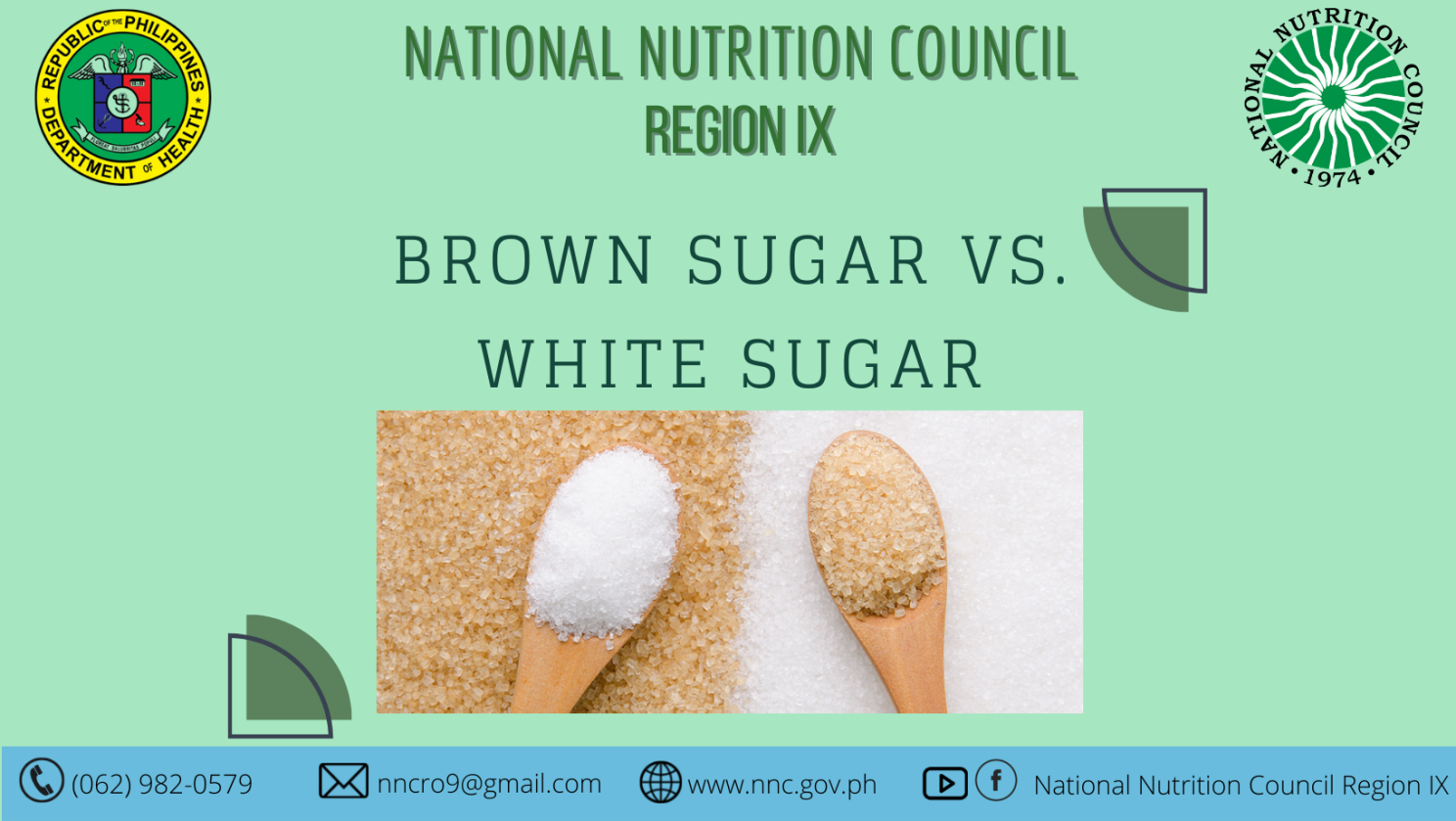
 Sugar is a natural ingredient that has been part of the human diet for thousands of years. While there are many types, brown and white sugar are among the most popular varieties. Given that white and brown sugar originate from the same crops — either the sugarcane or sugar beet plant — they are quite similar.
Sugar is produced in tropical climates where sugarcane or sugar beet plants grow. Both plants undergo a similar process to produce sugar. However, the methods used to make it into brown and white sugar differ. First, the sugary juice from both crops is extracted, purified, and heated to form a brown, concentrated syrup called molasses. Next, the crystallized sugar is centrifuged to separate sugar crystals from molasses. White sugar is then further processed to remove any excess molasses and create smaller crystals. On the other hand, refined brown sugar is simply white sugar that has had molasses added back into it. Meanwhile, whole, unrefined brown sugar undergoes less processing than white sugar, allowing it to retain some of its molasses content and natural brown color. With this, it is safe to say that both white sugar and brown sugar are similar, nutritionally and also calorie-wise. The only difference lies in the flavour, colour and the process these both go through, according to Clinical Nutritionist Dr. Rupali Datta. Thus, both white and brown sugars can be swapped in recipes considering they are almost similar in calories and nutritive value.
According to Dr. Manisha Aror, white sugar is pure carbohydrate that further adds fat in the body and causes other problems. Brown sugar has more liquid and has around 0.25 fewer calories per gram than white sugar. It has slightly less concentrated sweetness with its tiny bit of syrup. The most notable nutritional difference between the two is that brown sugar has slightly higher calcium, iron, and potassium contents, but only because it contains molasses. Brown sugar contains 95% sucrose and 5% molasses, which adds a flavour and moistness but has no great nutritional benefits over white sugar. Brown sugar also contains slightly fewer calories than white sugar, yet the difference is minimal. One teaspoon (4 grams) of brown sugar provides 15 calories, while the same amount of white sugar has 16.3 calories (2Trusted Source, 3Trusted Source).
Whether you choose white or brown sugar comes down to personal preference, as taste and color are the main differences between the two. Contrary to common belief, they are nutritionally similar. Meaning, Brown sugar contains slightly more minerals than white sugar which makes it healthier to choose from. But always keep in mind that your intake of all types of sugar should be limited for optimal health.
PNC-ZDS Marie Claire A. Gaas
References:
- Brown Sugar vs. White Sugar: What’s the Difference?
Susan McCabe, BSc, RD — Updated on June 7, 2019https://www.healthline.com/nutrition/brown-sugar-vs-white-sugar
- Is Brown Sugar Better than White Sugar? You Will be Surprised!
- Does the less processing makes brown sugar a better option?
Dr. Manisha Arora, Sri Balaji Action Medical Institute: https://food.ndtv.com/food-drinks/is-brown-sugar-better-than-white-sugar-you-will-be-surprised-1766948
- The Sugar Production Process
https://www.sciencedirect.com/science/article/pii/B9780128022399000141
- HISTORICAL RECORD: BROWN SUGAR
https://fdc.nal.usda.gov/fdc-app.html#/food-details/468247/nutrients