


It’s easy to get captivated in counting calories, grams of carbohydrates, fats, proteins, and added sugars when you are trying to eat well. But there is one nutrient that too often gets thrown to the wayside.. the dietary fiber. Many of us associate fiber with digestive health and bowel function but eating foods high in dietary fiber can do so much more than keep you in shape. New research has been shedding more light on how fiber helps our bodies. This nutrient has been linked to fending off disease and reducing the risk of a range of conditions.
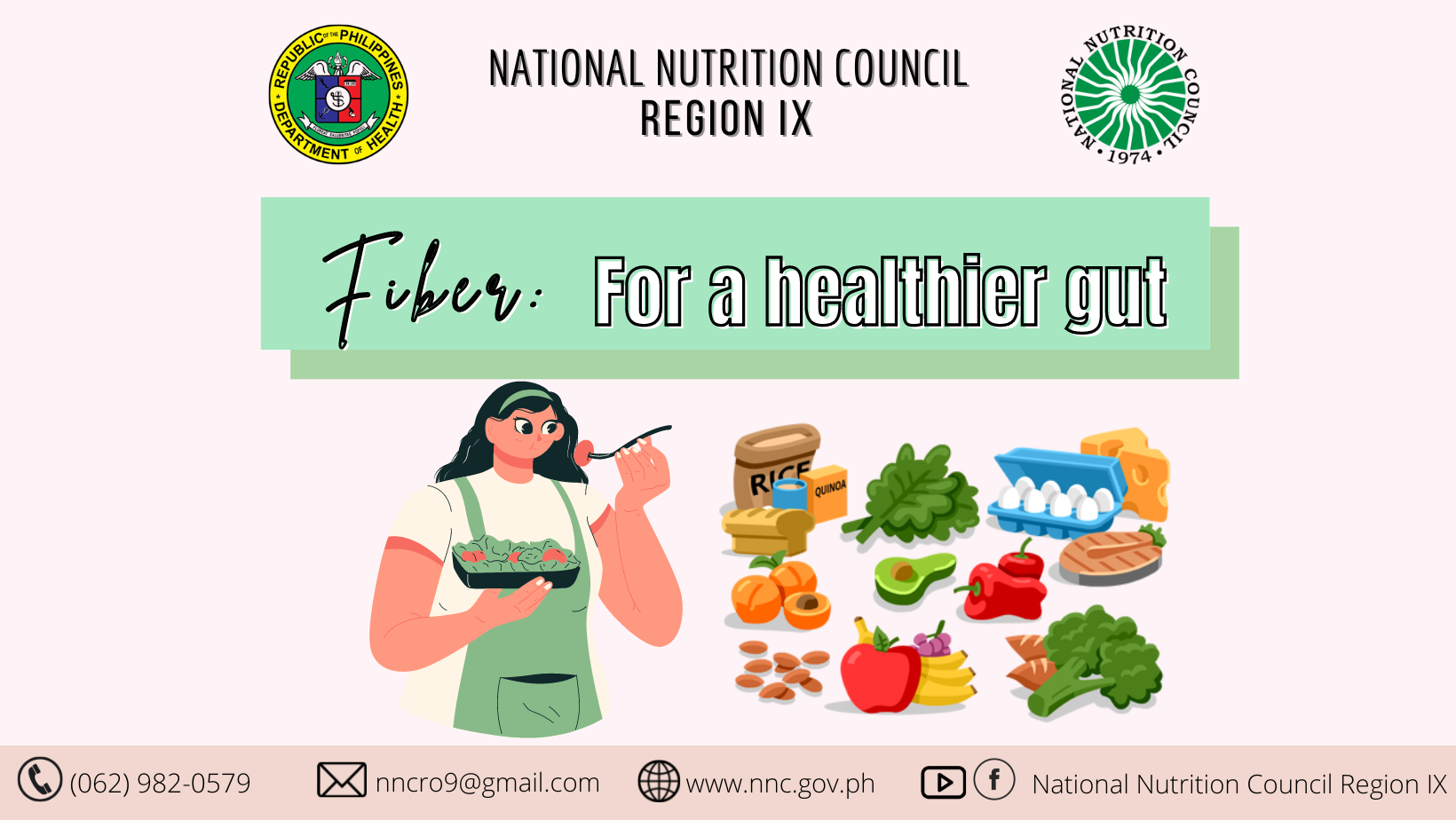 According to Help Guide, fiber (roughage), is the part of plant-based foods (grains, fruits, vegetables, nuts, and beans) that the body can’t break down easily. It passes through the body undigested, keeping your digestive system clean and healthy, easing bowel movements, and flushing cholesterol and harmful carcinogens out of the body. Fiber also comes in two varieties: insoluble and soluble.
Insoluble fiber does not dissolve in water. It is the bulky fiber that helps to prevent constipation while Soluble fiber dissolves in water and helps control blood sugar levels and reduce cholesterol. According to Healthline, the more natural and unprocessed the food is, the higher it is in fiber. Refined or “white” foods, such as white bread, white rice, and pastries, have had all or most of their fiber removed. However, it is also important to keep in mind that there is no fiber in meat, dairy, or sugar.
Based on the Philippine Dietary References Intake (PDRI), Filipino adults are recommended to consume 20-25 grams of fiber daily. This may appear hard to meet, yet there are several ways to increase your fiber intake. Among these is by increasing your intake of vegetables and fruits to at least five (5) servings per day. Eating the peels of fruits or vegetables whenever possible is also recommended (i.e. grapes, apple, cucumber, tomato), just make sure it’s clean and safe to eat. Eating whole grains such as brown rice and whole wheat food products (i.e. wheat bread, wheat biscuit) will also give you a good supply of fiber. Furthermore, increasing your intake of legumes and beans by incorporating it to viand or salad is also beneficial.
Recently, evidence-based studies have already supported the various health benefits obtained from eating dietary fiber. Not only does it feed your gut bacteria, fermentable fiber also forms short-chain fatty acids which nourish the colon wall. Additionally, soluble fiber may reduce your appetite, lower cholesterol levels and decrease the rise in blood sugar after high-carb meals. Just a valuable keepsake… if you are aiming to become healthy, make sure to get a variety of fiber from whole fruits, vegetables and grains aside from maintaining a good dietary habit and living a harmless lifestyle.
PNC-ZDS Marie Claire A. Gaas
References:
- Get fierce with fiber
- Why Is Fiber Good for You? The Crunchy Truth
https://www.healthline.com/nutrition/why-is-fiber-good-for-you
- The might of Fiber
https://www.pickle.ph/blog/2019/2/20/the-might-of-fiber