


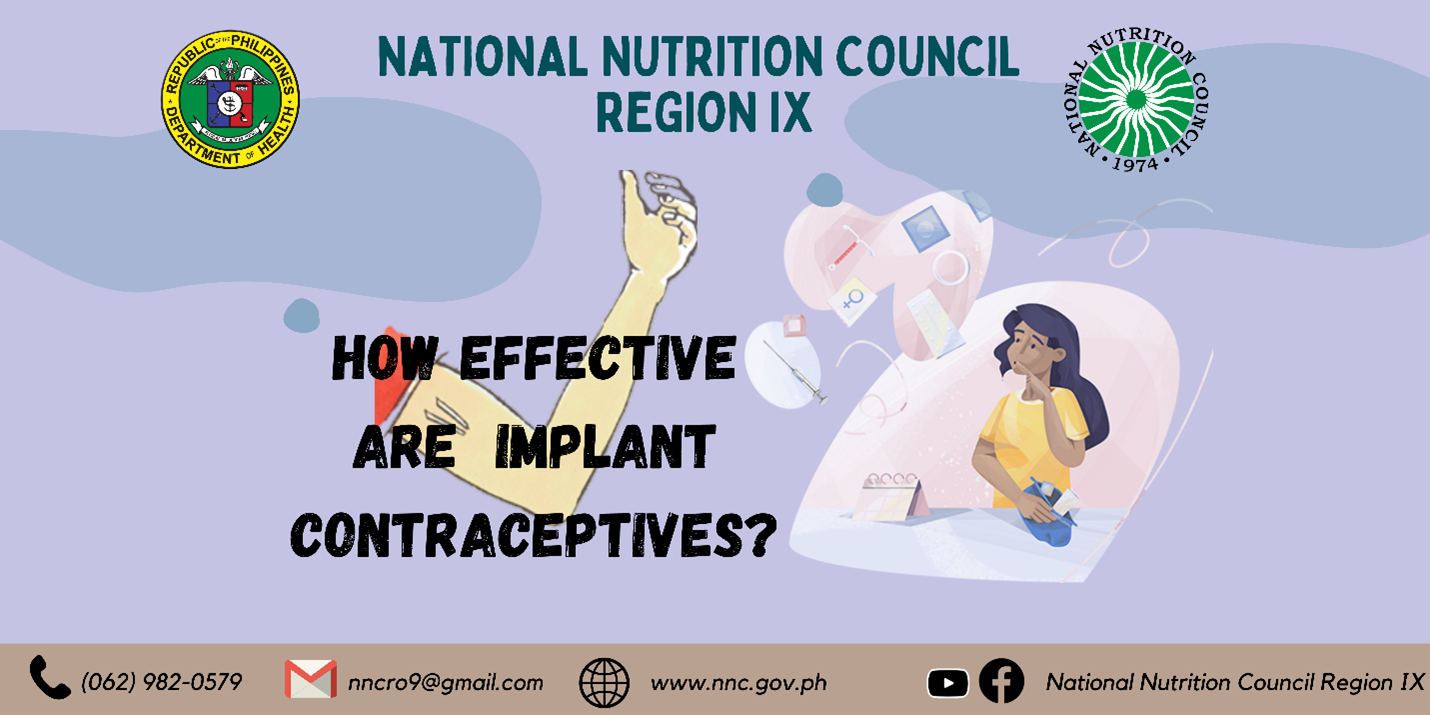
 Contraceptive implants are a long-term birth control option for women. It releases a low, steady dose of a progestational hormone to thicken cervical mucus and thin the lining of the uterus (endometrium). Contraceptive implants typically suppress ovulation as well. Contraceptive implants are radio opaque and can be seen on X-rays — useful for identifying the location of an implant. The implant is more than 99% effective in preventing pregnancy. This means for every thousand people using an implant, only a few will get pregnant each year.
In the Philippines, the Department of Health (DOH) stated that the new family planning method called Progestin Sub-dermal implant (PSI) is an effective approach to meeting the global need for a more beneficial and convenient manner of birth spacing among women.
“Like any other contraceptives publicly available, the PSI has some temporary side effects like headache, acne or pimples, weight gain, and breast pain, minor bleeding, vaginal itching, and menstrual cramps,” Health Secretary Francisco T. Duque III stated.
“The DOH strongly promotes the use of implants for couples who wish to space their pregnancies,” the Health chief added, who further advised couples to wait at least eighteen months before getting pregnant again to maintain the best health for the mother and child.
The implant consists of a single, matchstick-sized rod that contains the hormone progestin. The contraceptive implant is inserted in the left arm of right-handed women and vice-versa, and can provide protection up to three years. “Some of the PSI’s advantages include ease of use, can be removed anytime, and is highly effective,” Sec. Duque said.
As with any type of birth control method, implants have pros and cons. One of the advantages of implants is that they work effectively as they should be. Fewer than 1 in 100 women using an implant will get pregnant each year. It is also easy to use. Unlike some birth control options — like condoms, patches, shots, rings, and pills — the implant works no matter what. You don’t have to worry about using it incorrectly or remembering to replace or take it often. Likewise, they do have fast reversal. If you want to get pregnant, you can get started on that right after you get the implant taken out. Less painful periods. In studies of women using implants, painful periods got better. Lighter or no periods. Your period might get shorter, or even stop completely. Possible side effects include problems from putting the implant in, like pain, bruising or swelling, redness, Infection, Scarring. Other possible side effects include: Irregular menstrual bleeding, depression and other mood changes, weight gain, abdominal pain or nausea, acne, breast pain, back pain, or headaches, vaginitis, dizziness, noncancerous ovarian cysts.
Secretary Duque reminded first-time users “to leave the bandage on the wound for a day to prevent contusion, to avoid getting the wound wet for 3-5 days, clean the wound every day, avoid sexual contact for a week, consult a doctor for any unusual feeling after the procedure, and return to the doctor after three months and every year thereafter for a check-up.”
Some medications can make birth control implants less effective. Consult your doctor for medical advice.
NO I Zamubec Alomar C. Adlawan
REFERENCES:
Contraceptive implants: overview
https://www.mayoclinic.org/tests-procedures/contraceptive-implant/about/pac-20393619
HOW WELL DOES IT WORK?
https://www.familyplanning.org.nz/advice/contraception/contraceptive-implant –
What Are the Benefits of the Implant?
https://www.webmd.com/sex/birth-control/birth-control-implants-types-safety-side-effects
PROGESTIN SUB-DERMAL IMPLANT
https://pubmed.ncbi.nlm.nih.gov/7626459/
https://www.fpv.org.au/for-you/contraception/long-acting-reversible-contraception-larc/contraceptive-implant-implanon
https://www.cosmo.ph/health/health-report/birth-control-arm-implant-a4364-20190508-lfrm