


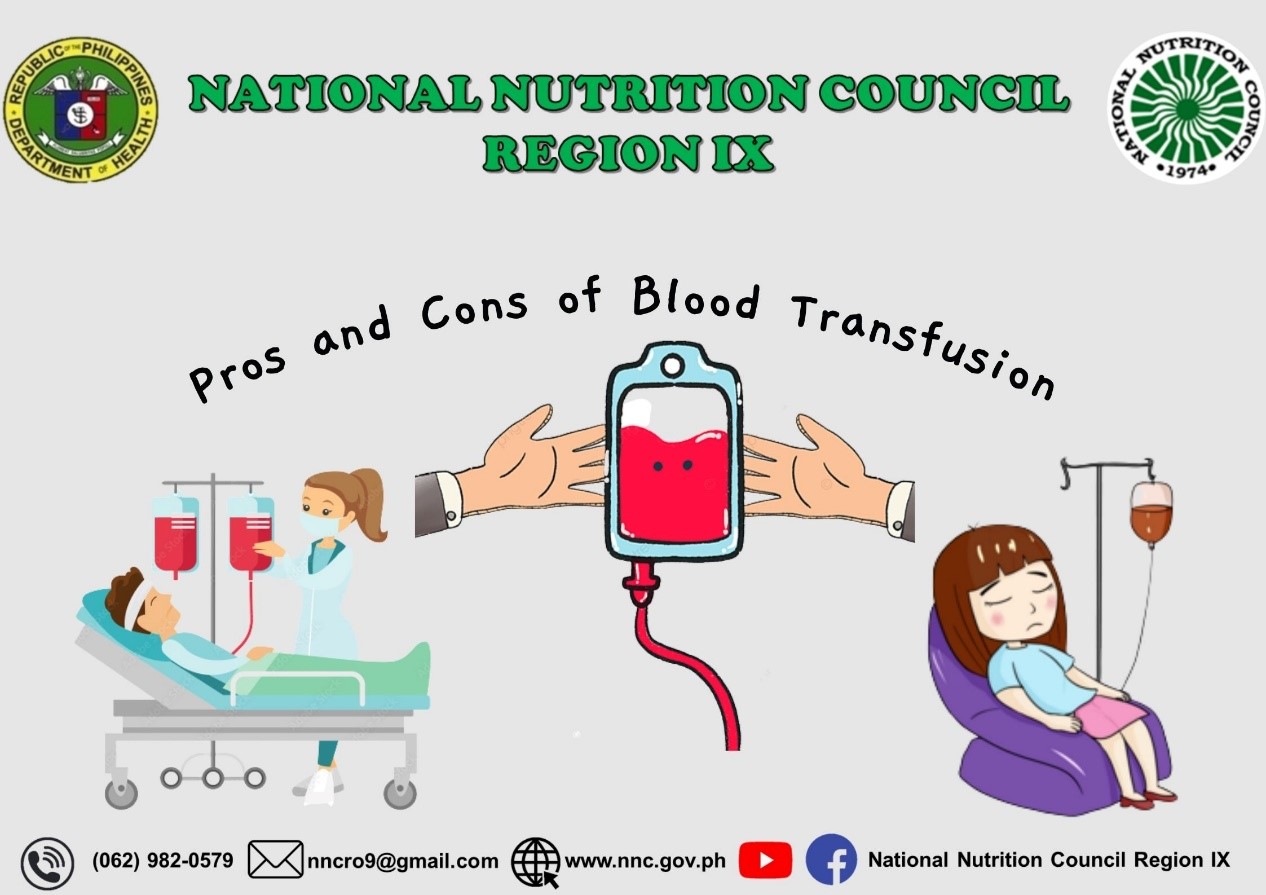
 What are some of the conditions that you require “blood transfusion”? Blood transfusions are frequently used to treat anemia in severe cases. Red blood cell and hemoglobin levels in the human body are refilled through blood transfusion. Blood transfusions can have both good and negative side effects. They can: 1) transfer pathogens into the patient’s bloodstream; 2) create an allergic reaction that is risky due to potential infections, and 3) alter the immune system of the recipient.
When the body’s red blood cell counts are insufficient, anemia may develop, which can lead to a lack of essential hemoglobin. The body’s many organs receive oxygen thanks to hemoglobin. The majority of the time, iron supplements are used to treat anemia.
Blood transfusions are often a life-saving procedure. They work best when anemia is brought on by a major underlying illness, during surgery, or after an accident that resulted in significant blood loss. Through an intravenous catheter, this will be administered straight into the patient’s circulation.
Because of potential adverse effects, this procedure may be dangerous. Transfusion can be life-threatening with serious complications such as acute kidney failure, anemia, lung problems (pulmonary edema), and shock — a life-threatening condition that results from lack of adequate blood flow. Many doctors and heads of anemia-related organizations advise avoiding blood transfusions as a treatment where possible. Treatment for anemia can be solved by vitamin supplements.
In severe cases of anemia, blood transfusion is still regarded as a life-saving procedure. Additionally, studies have shown that individuals who undergo transfusions not only pay more for their medical care but also have lower overall health than patients who do not.
The dangerous nature of the procedure is one of the drawbacks of using transfusions to treat anemia. Blood transfusions may result in side effects. This is why many medical professionals and leaders of organizations that deal with anemia advise against using blood transfusions as a form of treatment if possible. Vitamin supplements, for example, are frequently a much more effective way to cure anemia. Additionally, the underlying cause of anemia is unaffected by blood transfusions.
Overall, blood transfusions are still an effective and life-saving treatment for severe cases of anemia. Only when doctors administer blood transfusions for anemia too frequently and expose patients to unneeded dangers do serious problems surface. Additionally, studies have revealed that individuals who receive transfusions typically spend more on their medical treatment and have lower overall health than patients who do not.
PDO I Kimberly M. Tanador, RND
References:
What are the Pros and Cons of Using Transfusions for Anemia?
https://www.wise-geek.com/what-are-the-pros-and-cons-of-using-transfusions-for-anemia.htm
Transfusion Reactions
https://www.healthline.com/health/transfusion-reaction-hemolytic
Everything you need to know about blood transfusions and anemia
https://www.medicalnewstoday.com/articles/blood-transfusions-anemia