


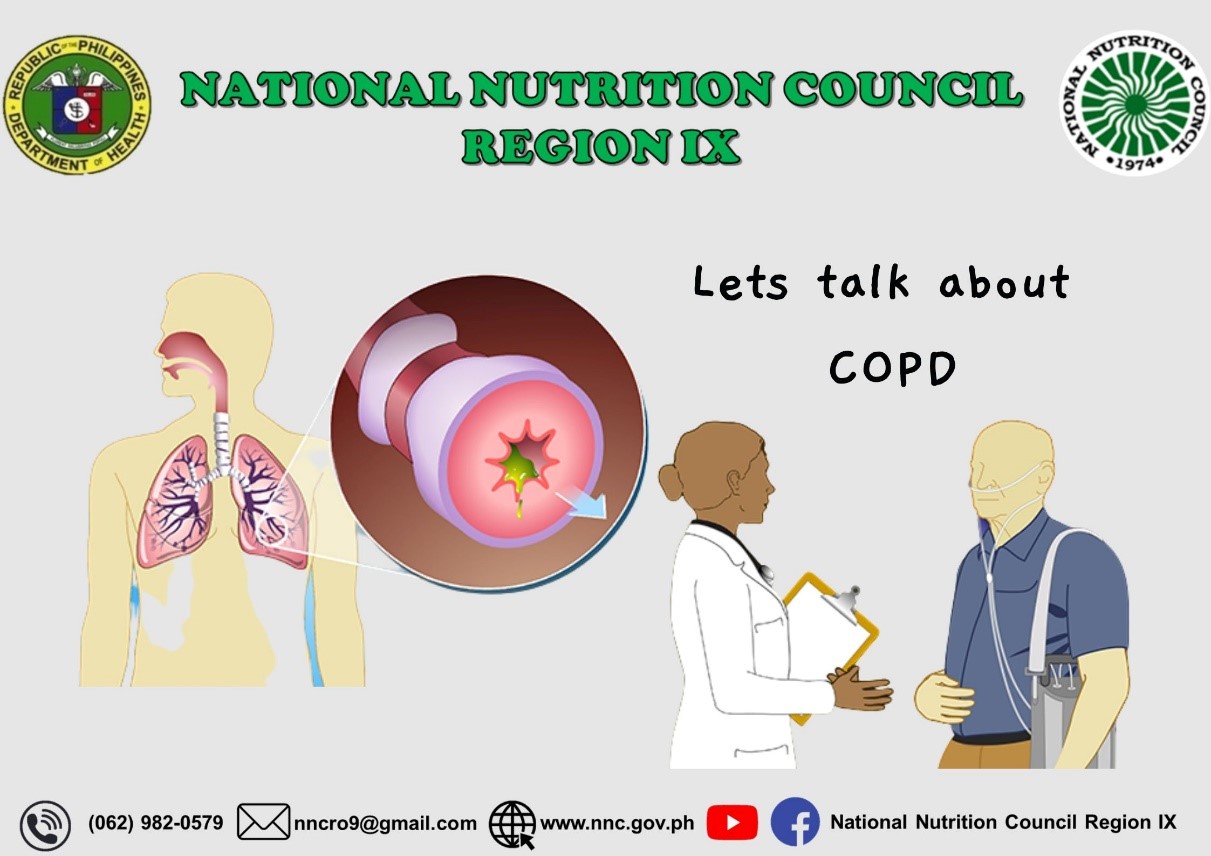
 Chronic Obstructive Pulmonary Disease or COPD is a condition where the lungs get swell, worse, and narrow. It is a long-term lung condition wherein; smoking is the main cause of the disease. In some cases of COPD, chronic exposure to dangerous particles or gases may also be a factor. The most frequent cause is consistent exposure to allergens that irritate your lungs. If you smoke and also have COPD, it typically worsens more quickly. If you’ve been exposed for an extended amount of time to things like dust, air pollution, or specific chemicals, you may also get this illness.
Even though COPD is a chronic, progressive condition that becomes worse over time, it is treatable. With the right management, the majority of COPD patients can achieve good symptom control, a high quality of life, and a lower risk of developing additional concomitant conditions. COPD is a common illness that mainly affects middle-aged or older smokers. Although medication can help keep the illness under control, breathing issues tend to develop progressively worse over time and can limit your typical activities.
The signs and symptoms of COPD frequently don’t appear until there has been significant lung damage, and they usually get worse with time, particularly if smoking exposure continues.
COPD symptoms and signs may include:
- Breathlessness, especially when engaging in vigorous activity
- Wheezing
- chest constriction
- a persistent cough that may discharge clear, white, yellow, or greenish mucus (sputum)
- respiratory diseases that are common
- Not enough energy
- Unwanted loss of weight (in later stages)
- ankles, feet, or legs swelling
Exacerbations are times when a person with COPD’s symptoms worsen then they usually do and last for at least a few days. These episodes are known as exacerbations.
If your symptoms do not improve or worsen after therapy, or if you observe signs of an infection, such as a fever or a change in your sputum, consult your doctor.
Seek emergency medical attention if you are having difficulties breathing, have severe cyanosis (bluing of the lips or nail beds), have a rapid heartbeat, feel dizzy, or have trouble focusing.
PDO I Kimberly M. Tanador, RND
References:
Chronic obstructive pulmonary disease (COPD)
https://medlineplus.gov/ency/article/000091.htm
https://my.clevelandclinic.org/health/diseases/8709-chronic-obstructive-pulmonary-disease-copd
COPD
https://www.mayoclinic.org/diseases-conditions/copd/symptoms-causes/syc-20353679
Overview- Chronic obstructive pulmonary disease (COPD)
https://www.nhs.uk/conditions/chronic-obstructive-pulmonary-disease-copd/