


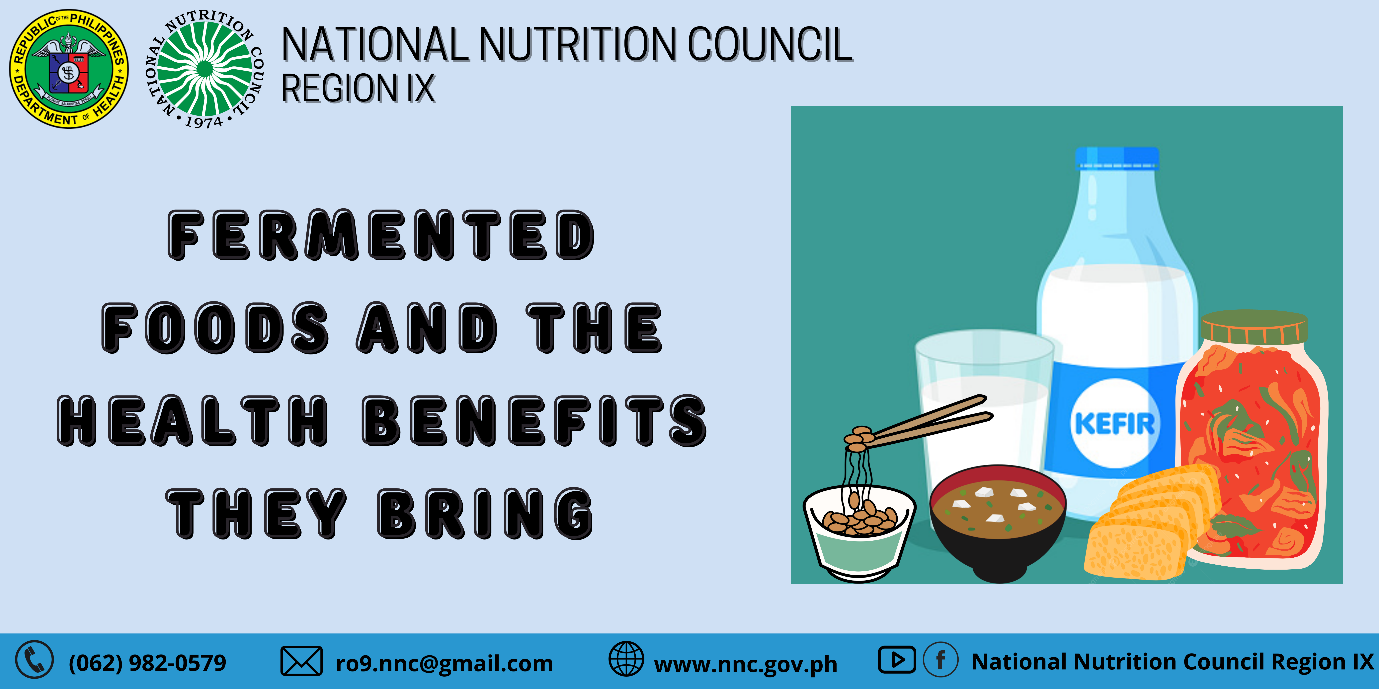
 Fermentation is the breakdown of sugars by bacteria and yeast. Not only does it improve food preservation, but it can also increase the number of beneficial bacteria, or probiotics, in your gut. Probiotics have been linked to a number of health benefits, including improved digestion, increased immunity, and even weight loss. According to Eirini Dimid and colleagues, “fermented foods” are any foods that have gone through the fermentation process, which is the chemical breakdown of sugar by yeast and bacteria. According to Rachael Link of Healthline, the following fermented foods and drinks have been shown to improve health and digestion:
- Kefir- According to Joe Leech, Kefir is a fermented dairy product. It’s made by combining milk with kefir grains, which are a combination of yeast and bacteria. This produces a thick, tangy beverage with a flavor similar to yogurt. Kefir has been shown in studies to have numerous health benefits, ranging from digestion to inflammation to bone health.
- Tempeh- Kaitlyn Berkheiser stated that tempeh is a fermented soybean cake that has been compressed into a compact cake. This high-protein meat substitute has a firm but chewy texture and can be baked, steamed, or sautéed before adding to dishes. In addition to its high probiotic content, tempeh is high in a variety of nutrients that may benefit your health. Soy protein, for example, has been shown to help lower certain risk factors for heart disease.
- Natto is a common probiotic food in Japanese cuisine. It’s made from fermented soybeans, just like tempeh. It has an intense flavor and a slimy texture. It has a high fiber content, with 5.4 grams per 3.5-ounce (100-gram) serving. Fiber may benefit digestive health. It passes through your body undigested, adding bulk to your stool and promoting regularity, and relieving constipation.
- Kombucha is a type of fermented tea. Although more research is needed, animal and test-tube studies have revealed that it may help protect the liver, lower blood sugar, and lower cholesterol and triglyceride levels.
- Miso is a popular seasoning in Japanese cooking. Soybeans are fermented with salt and koji, a type of fungus. Miso soup, a flavorful dish made of miso paste and stock, is the most common use for it. Breakfast is traditionally served with miso soup. Miso is linked to better heart health and a lower risk of certain cancers, but more human research is needed.
- Kimchi is a popular Korean side dish made from fermented cabbage or other fermented vegetables such as radishes. It has numerous health benefits and may be particularly effective at lowering cholesterol and reducing insulin resistance.
Is fermented food toxic? Although most fermented foods are generally considered safe, some varieties, such as fermented milk products like kefir, are more susceptible to contamination with toxins and bacteria, explained by Rachael Link. How frequently should you consume fermented foods? While there are no official recommendations for how often you should consume fermented foods, including a few servings in your daily diet may be beneficial. Start with one or two servings per day for the best results, then gradually increase.
Many foods may benefit from fermentation in terms of both shelf life and health benefits. Probiotics found in fermented foods have been linked to improved digestion, immunity, weight loss, and other benefits. Fermented foods, in addition to containing these beneficial probiotics, benefit many other aspects of health and are an excellent addition to your diet.
ZDS DMO II Marie-Claire Gaas, RND
References:
1. 8 Fermented Foods and Drinks to Boost Digestion and Health
By Rachael Link, MS, RD — Medically reviewed by Maya Feller, MS, RD, CDN, Nutrition — Updated on December 13, 2021
https://www.healthline.com/nutrition/8-fermented-foods
2. Fermented Foods: Definitions and Characteristics, Impact on the Gut Microbiota and Effects on Gastrointestinal Health and Disease
Eirini Dimidi, Selina Rose Cox, Megan Rossi, and Kevin Whelan