


 TACLOBAN CITY – The first batch online training of Family Mid-Upper Arm Circumference (MUAC) was successfully done via online platform on 19 June 2020.
The training of trainers (TOT) which took for three hours was aimed to give a discussion on acute malnutrition and the Four Guiding Principles of the Philippine Integrated Management of Acute Malnutrition (PIMAM); offer what Family MUAC approach is and its related concept; share how Family MUAC can be used as a method to help improve early identification of Acute malnutrition and PIMAM coverage and; apply the knowledge and study obtained in planning and implementing Family MUAC at the community level.
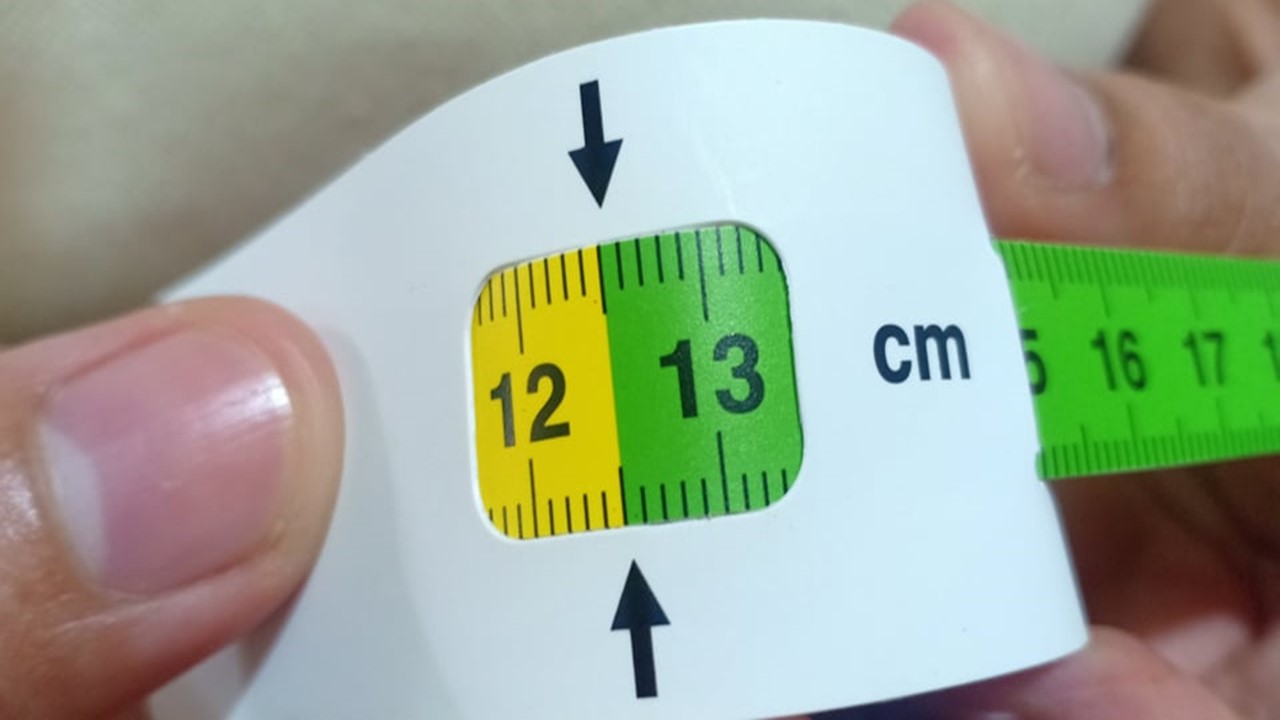
MUAC is a measure of muscle wasting and has been shown to have the highest correlation with the risk of mortality of any anthropometric indicator. The long, color-coded strip marked with graduated measurements tape is wrapped at the mid-point between the tip of the shoulder and the tip of the elbow of the left upper arm of the child to detect and refer children for acute malnutrition treatment.
In the study conducted by the Alliance of International Medical Action (ALIMA) in Niger, mothers/caregivers who have been trained have shown they are equally as capable of taking the MUAC and identifying edema as healthcare workers. Earlier detection of severe acute malnutrition (SAM) and less hospitalization can now easily be determined by trained mothers.
Involving mothers, fathers, and caregivers in nutrition screening activities will help them recognize the fact that they are the best placed to identify early signs of malnutrition. Likewise, this reinforces their role in protecting and promoting their child’s health and nutritional status. And training Family MUAC will enhance efforts for early detection of acute malnutrition cases at the community level and thus provide appropriate management and care needed the most.
Dr. Rene Gerald Gallera, UNICEF Nutrition Specialist, in his Facebook Account posted, “With this training, we hope to build the skills and confidence of mothers and caregivers of infants and young children on how they themselves can identify a deadly disease – both moderate and severe forms of acute malnutrition – so they can refer their children for early and appropriate care”.
Organized by World Vision, together with UNICEF KOICA, the webinar is part of the two-year project entitled, “The Integrated Nutrition and Health Actions in the First 1,000 Days of Life Project”. Participants of the activity were from regional and provincial offices nutrition staff of Region 8 and 9. #NASlabordo