


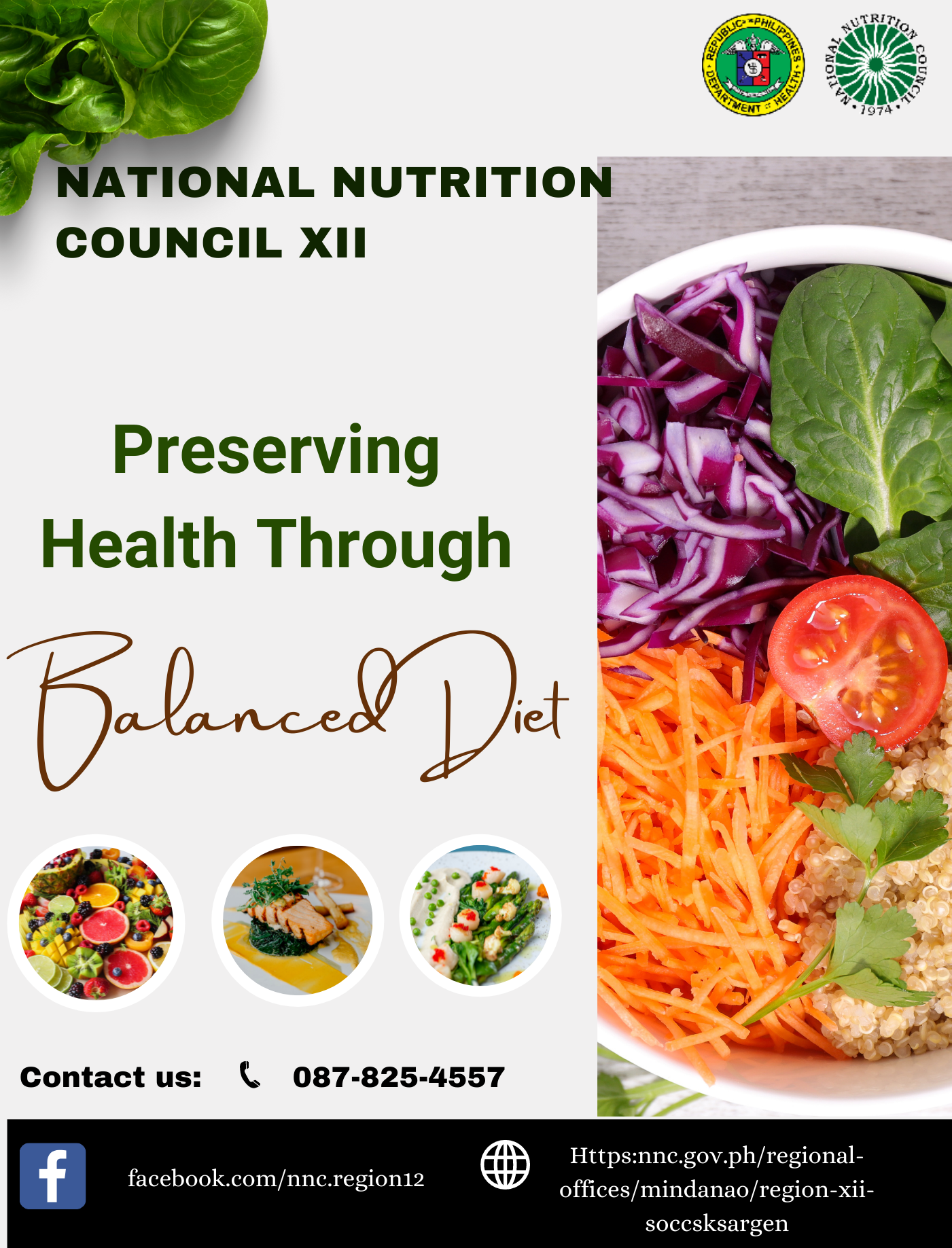
According to the World Health Organization (WHO), health is a state of complete physical, mental and social well-being and not merely the absence of disease or infirmity. The enjoyment of the highest attainable standard of health is one of the fundamental rights of every human being without distinction of race, religion, political belief, economic or social condition.
One of the most crucial and fundamental pillars of life is our health and physique. Our bodies are the ones who do the labor of art to attain each aim that we have, just as we pay priority to our every mission to survive. Maintaining one’s health is crucial. Every day, our bodies are fighting a losing battle against the various dangers they are exposed to, without us even realizing it unless it’s too much to handle by our organs. Our physical body reacts through pains and other symptoms, which indicates that we are not well.
On the other hand, nutrition plays an integral part in keeping every individuals strong mentally and healthy physically to be productive and maintain a robust immune response. What diet should an individual take to achieve a solid and fit body free from diseases? Does race, economic or social condition affect the capacity of an individual to have and achieve physical wellness?
A balanced diet is a diet that contains different kinds of foods in specific quantities and proportions based on our daily calorie requirements, computed, or recommended by a registered dietitian, that helps you maintain your leanness, mental health, and physical health status. A balanced diet includes carbohydrates, protein, and fat. Carbohydrate-rich food includes rice, potatoes, corn, and cereals, while protein food sources include chicken, pork, beef, lamb, fish, eggs, and tofu. Vitamins and minerals can also be obtained by consuming variety of green leafy and yellow vegetables as well as fruits. Foods rich in fat include margarine, butter, and coconut oil. This food provides energy and builds and repairs tissues. Additionally, consuming at least 8-10 glasses of water per day is essential to hydrate the body.
Regardless of race, economic status, and social condition, a balanced diet should be practiced by all individuals to ensure a healthy and disease-free lifestyle. According to the World Health Organization (WHO), health is a state of complete physical, mental and social well-being and not merely the absence of disease or infirmity. The enjoyment of the highest attainable standard of health is one of the fundamental rights of every human being without distinction of race, religion, political belief, economic or social condition.
(KTP, AMVF, RML)
References:
https://www.health.harvard.edu/staying-healthy/know-the-facts-about-fats#:~:text=%22Fat%20helps%20give%20your%20body,of%20what%20it%20needs%20most.%22
https://www.who.int/about/governance/constitution#:~:text=Health%20is%20a%20state%20of,belief%2C%20economic%20or%20social%20condition.