


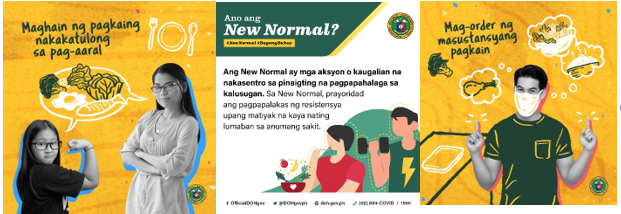
Corona Virus Disease of 2019 or also known as the COVID-19 Pandemic changed a lot of things and perspective of our normal lives as it devastated many countries all over the world. To prevent the spread of the virus, the way we normally live our lives prior to the COVID-19 pandemic has to change from the way we shop, the way we dine and eat, the way we do our daily routines, and definitely, the way we socialize. These changes are usually coined as the #NewNormal. It is basically how we are going to live our lives post-pandemic.
Since #NewNormal brought up a lot of changes, delivery of health and nutrition services were also affected. On 18 March 2020, National Nutrition Council release MELLPI Advisory No. 1, s. 2020 suspending all monitoring and evaluation activities amid COVID-19 including MELLPI Pro, Operation Timbang Plus, and monitoring of Local Nutrition Early Warning System areas, until further notice. All activities requiring mass gatherings and long travels were also prohibited by National Interagency Task Force on Emerging Infectious Diseases. These events brought about the shift of all activities to digital platforms. All meetings are being conducted virtually, even monitoring activities and information dissemination. NNC also released National Nutrition Cluster Advisories No. 1 and 2, s. 2020 to ensure that nutrition is being prioritized by LGUs amid COVID-19 Pandemic.
As nutrition helps in the prevention of contracting the COVID-19, #NewNormal included eating a balanced meal and eating more foods that can boost our immune system. Increased physical activity is also being promoted. But to really ensure that nutrition is being prioritized during these challenging times, the Department of Health released Department Memorandum No. 2020-0237 – “Interim Guidelines for the Delivery of Nutrition Services in the Context of COVID-19 Pandemic”.
The guidelines included the following nutrition services:
- Prevention of Micronutrient Deficiencies – routine micronutrient supplementation for infants, children, pregnant and lactating women, adolescent girls, and women in reproductive age should be maintained. Mass supplementation campaign is not encouraged but micronutrient supplementation can be integrated in immunization activities, prenatal and postpartum check-ups, family planning services, and other health services.
- Infant and Young Child Feeding – Breastfeeding promotion and complementary feeding should still be included counseling and other health activities of mother. Health care providers should still ensure implementation of essential intrapartum and newborn care (EINC) protocols. They should also help mothers and caregivers having difficulties in breastfeeding. Individuals, families, and LGUs shall not accept milk formula, other breastmilk substitutes, and milk supplementation donations as defined by EO 5, RA 11148, and its revised Implementing Rules and Regulations.
- Management of Acute Malnutrition – Parents and caregivers should continue responsive feeding during the administration of RUSF or RUTF, with continued breastfeeding and complementary feeding, as appropriate. Provide supply of RUSF of RUTF good for two weeks instead of the usual one week to limit going to and from the health care facility. MUAC Tapes shall be used in monitoring the development of the patient. Conducting follow-ups shall be conducted through SMS, or any other digital platform.
- Growth and Development Monitoring and Promotion – This shall be done during health facility visits, community outreach, and if the situation allows, with strict observance of infection prevention. MUAC tape measurements may be used instead of the weight and height/length measurements to limit contact between the child and the health care provider. Nutritional Status shall be determined according to the MUAC tape measurement. MUAC Tapes shall be disinfected each use.
- Promotion of Health Diet for the Prevention or Management of Non-communicable Diseases (NCDs), including Overweight and Obesity – Promotion of healthy diets through 10 Kumainments and Pinggay Pinoy shall be intensified. Patients with chronic conditions such as hypertension, diabetes mellitus, hypercholesterolemia, renal disease, HIV, and other immune-compromised patients should be advised and reminded to take their maintenance medicines regularly. Drinking at least 8 glasses of water a day, and a regular physical activity should also be encouraged. Clients should also be advised to avoid smoking, and alcohol consumption.
- Promotion of Hygiene and Food Safety – Mothers and caregivers should perform hand washing before and after breastfeeding, food preparation, infant and child feeding, and after using the toilet. They should also thoroughly wash market produce and cook foods properly.
All these activities limit physical contact and should comply with the national standards and measures in COVID-19 response. Malnutrition and other co-morbidities are considered a risk factor for complications in people with COVID-19. Community quarantines also limited the movement of people, hence, the access to food and necessities, and hampered delivery of various services including nutrition.
DOH DM 2020-0237 may be access through this link: https://www.nnc.gov.ph/index.php/component/phocadownload/category/96.html# – EMArcinue