


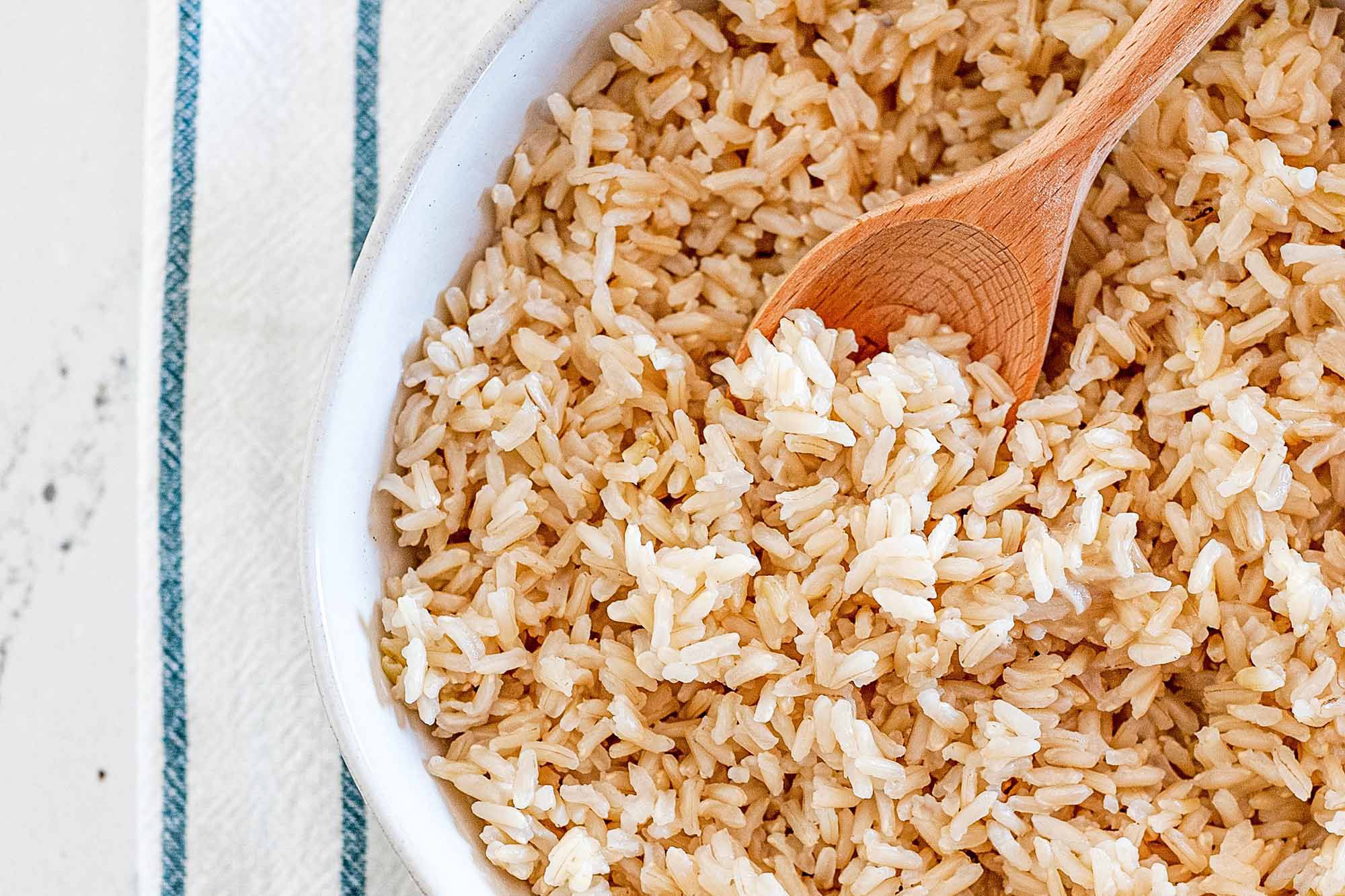
 Brown rice is an unpolished rice where only the hull or husk (ipa) is removed. The bran or the brown color is left intact which contains both monounsaturated and polyunsaturated fatty acids, protein, fiber, vitamins and minerals which is removed in polished rice. Here are the health benefits of brown rice as compared to white rice based on recent research:
1. Brown rice helps in blood glucose control and lowering bad cholesterol among Diabetic and Overweight individuals. Results of a recent study in India showed that a significant reduction in long term blood glucose control among those with Diabetes or Metabolic Syndrome was observed. Brown rice consumption also improved total and bad cholesterol levels among overweight participants. Another study found that consumption of brown rice was associated with a reduction in blood glucose as compared to white rice. Thus, brown rice is a good rice alternative for Diabetic and Overweight Individuals who want to improve their long-term blood glucose control and lower bad cholesterol.
2. Brown rice can help lower Type 2 Diabetes risk among healthy individuals. For healthy individuals, brown rice can help reduce the risk of developing type 2 diabetes as demonstrated in one study where a higher intake of white rice > 5 servings a week was associated with a higher risk of type 2 diabetes while high brown rice intake of > 2 servings per week was associated to lower risk of type 2 diabetes.
3. Brown rice can help with weight loss or weight maintenance. Brown rice has a higher fiber content, protein and monounsaturated and polyunsaturated fatty acids as compared to white rice which contributes to early satiety and feeling of fullness for a longer period of time. This can reduce frequent eating that contributes to weight gain. Thus, brown rice can be a good white rice alternative for individuals who are trying to maintain or lose weight.
4. Brown rice may help prevent other known non-communicable diseases. Brown rice contains bioactive compounds such as phenolic acids, flavonoids γ-oryzanol, aminobutyric acid (GABA), α-tocopherol, and γ-tocotrienol which contribute to its antioxidant, antidiabetic, anticancer, neuroprotective effects.
/AET
References:
Chavez, L.L., de Leon, S.Y., Claudio, V.S. (2006). Basic Foods for Filipinos, 4th ed. Manila: Merriam & Webster Bookstore, Inc.
Malik, V. S., Sudha, V., Wedick, N. M., RamyaBai, M., Vijayalakshmi, P., Lakshmipriya, N., … & Mohan, V. (2019). Substituting brown rice for white rice on diabetes risk factors in India: a randomised controlled trial. British Journal of Nutrition, 121(12), 1389-1397.
Musa-Veloso, K., Poon, T., Harkness, L. S., O’Shea, M., & Chu, Y. (2018). The effects of whole-grain compared with refined wheat, rice, and rye on the postprandial blood glucose response: a systematic review and meta-analysis of randomized controlled trials. The American journal of clinical nutrition, 108(4), 759-774.
Saleh, A. S., Wang, P., Wang, N., Yang, L., & Xiao, Z. (2019). Brown rice versus white rice: Nutritional quality, potential health benefits, development of food products, and preservation technologies. Comprehensive reviews in food science and food safety, 18(4), 1070-1096.
Sun, Q., Spiegelman, D., van Dam, R. M., Holmes, M. D., Malik, V. S., Willett, W. C., & Hu, F. B. (2010). White rice, brown rice, and risk of type 2 diabetes in US men and women. Archives of internal medicine, 170(11), 961-969.