


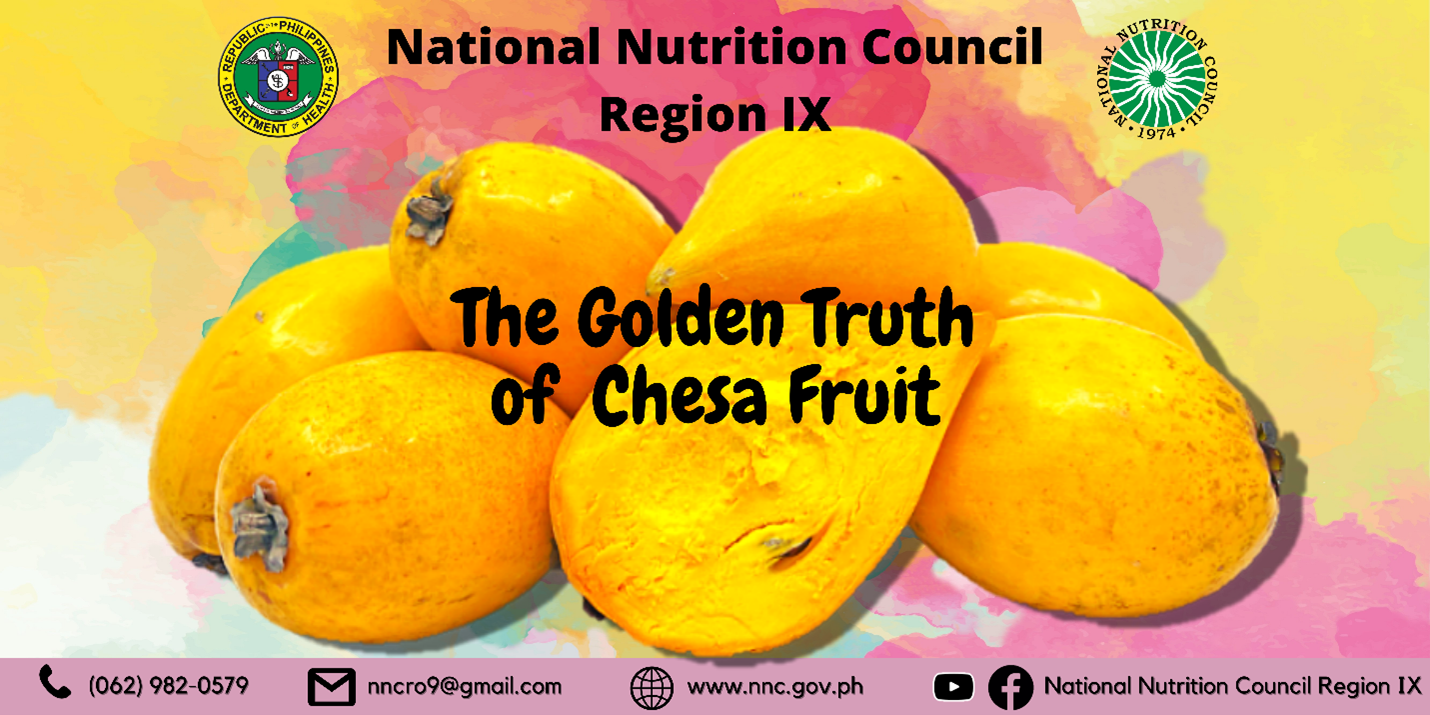
 Canistel, Egg Fruit, or Chesa Fruit is a tropical fruit may be nearly round, with or without a pointed apex or may be somewhat oval, ovoid, or spindle-shaped. It has a yellow-orange color and has the texture that is relatively firm and mealy that resembles a hardboiled egg yoke but the taste of a bland, dry pumpkin-pie dessert, more or less musky. Canistels from Canistel trees continue to rip off from the tree, and at room temperature until it ripens fully. Whenever the egg fruit is harvested, the egg fruit will start to ripen in the middle of three to almost 10 days. In the process, it will turn from green to gold. Even when the egg fruits are not fully ripened, it might still show a golden sheen. To avoid this confusion, one of the significant indicators is that you can see the gloss and the certain texture of the egg fruit that will help you know that it is ripe entirely or not.
Chesa is actually considered a super food and is rich in amino acids-tryptophan, methionine, lysine (nearly as much protein as the avocado) and essential vitamins and minerals such as vitamin C, carotene (provitamin A), niacin, riboflavin and high amount of dietary fiber, phosphorus and calcium. The decoction of the bark is used for the relief of fever. It is also applied on skin eruptions. A preparation of the seeds is used to treat ulcers and heal seborrheic dermatitis of the scalp. Egg fruits are a magnificent originator of beta-carotene that is a tint found mostly inside the flesh. This flesh is then transformed into Vitamin A inside the body, which improves humans’ immune system and will provide protection against vision loss.
In the Philippines, Tiesa adapts well from sea level to medium altitudes in areas with a short to long rainy season. Propagation may be done through seeds with fifty-day germination, or through cleft grafting. Fruits are best harvested from August to January when the fruits are fully matured and ripened. In general, plant establishment to plant maturity takes about 1 to 3 years. Most of the time, the tree is vigorous and healthy as it has no known serious pests and diseases.
Whether it is for industrial, medicinal, or nutritional value – Tiesa has a lot of useful products which can be developed from the fruit to the tree itself. Tiesa trees do not only make a good shade provider and shelter. Its abundant white, gummy latex is collected and marketed for making chewing gums while the hard and fairly heavy timber is suitable for furniture and construction purposes. More of its potentials can be harnessed. It was reported to be a highly suitable species for reforestation. Additionally, the trees can also be incorporated in agroforestry systems such as homestead gardens, orchards, or as shade trees in coffee plantations where it can contribute to crop diversification, soil improvement and in preventing soil erosion.
Aside from those mentioned, Tiesa is also found to be a fruit containing high antioxidant properties. In a study entitled “Functional components, alkaloid and saponin contents and antioxidant activity of Philippine grown fruits”, Tiesa showed relatively high amounts of total phenols and antioxidants. These are nutritionally beneficial compounds that naturally occur in fruits and vegetables that act as the body’s shield and armor against illnesses and diseases, thus strengthening the body’s immune system and keeping us healthy and strong. So, instead of buying the same fruit from the market over and over again, why not try the Chesa Fruit and see for yourself the health benefits it offers. It’s one among the superfoods we need today!
NO I Zamubec Alomar C. Adlawan, RND
REFERENCES:
1. Canistel or Chesa Fruit
https://medicinalplants101.blogspot.com/2015/11/canistel-or-chesa-fruit.html
2. What is egg fruit
https://healthiersteps.com/egg-fruit/ egg fruit
https://specialtyproduce.com/produce/Egg_Fruit_12312.php
3. Tiesas time to shine