


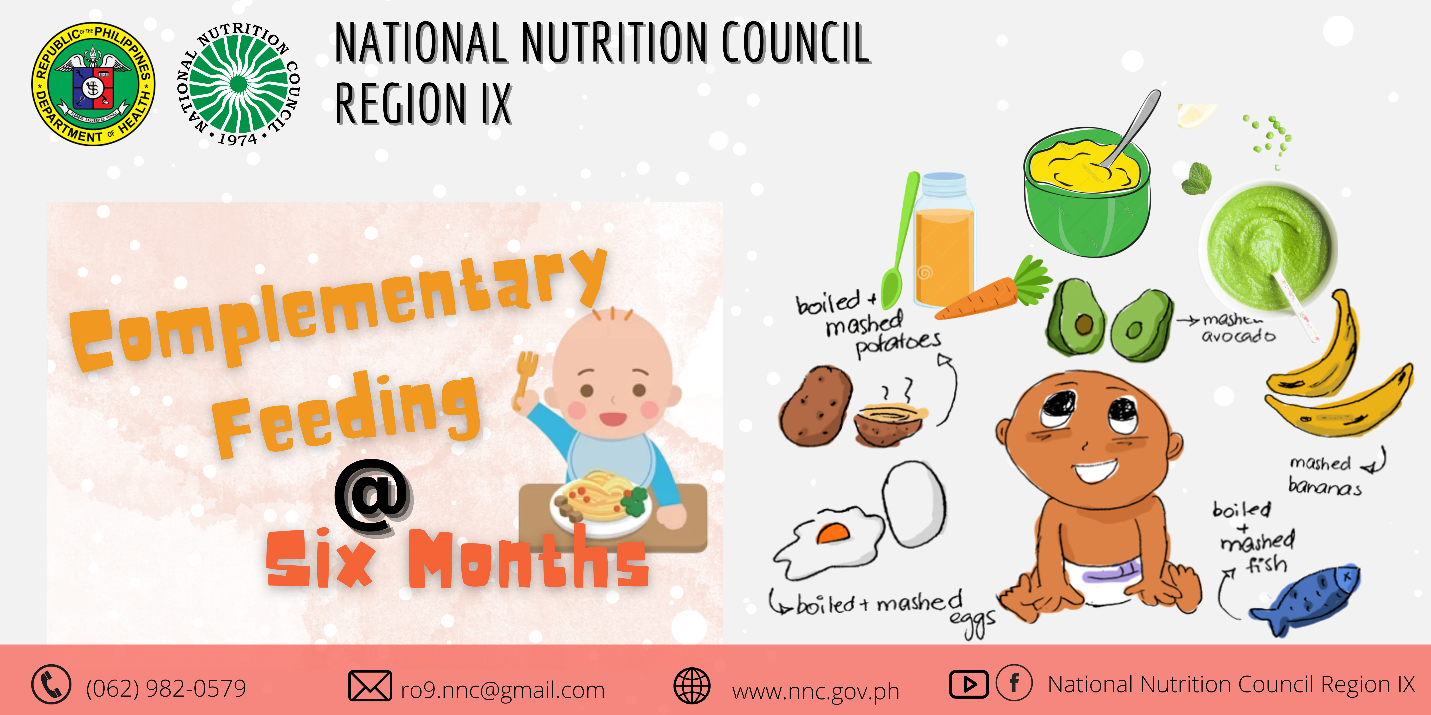
 We only want what is best for our babies. Good health or a healthy baby is at foremost goal and concern. During the first six months of a baby’s life, a mother’s milk or breastmilk is the only single food that will nourish and sustain all the baby’s growth and nutritional needs. After six months, a baby’s nutritional and energy requirements start to outpace those of breast milk, necessitating the consumption of supplemental foods. At this age, a baby is also developmentally prepared to eat other foods. Complementary feeding is the term used to describe this shift.
Healthy and nutritious foods should be introduced on the baby’s first taste of solid food. The best healthy food? Vegetable! A baby’s first! It’s difficult to think of a food that is healthier than veggies if we want our children to consume a healthy diet as they grow up. Vegetables constitute a dietary foundation for wellness, especially for very young children. They are full of complex carbohydrates, fiber, vitamins, minerals, and antioxidants. Here are some of the vegetables that you can easily prepare for your child. After cooking and preparation, you can blend it or simply mashed it properly:
Squash. The smooth texture of pureed squash makes it a great first food for babies, and its high Vitamins A and C content completes its nutritious profile.
Sweet Potatoes. In addition to being simple to serve to your child, mashed cooked sweet potatoes are also packed with nutrients. Bursting with vitamin A, which supports the immune system and vision, as well as a ton of fiber, manganese, vitamin B6, and vitamin C. Just make sure to thoroughly mashing sweet potato and removing the skin before giving it to the baby.
Carrots. When cook up wonderfully and, when pureed, provide a mild flavor for a baby’s delicate palate. Rich in fiber to support a healthy digestive system and beta-carotene, which is converted to vitamin A to support the immune system and vision.
Peas. A great option for babies. With 4 grams of protein per serving, these tiny green balls are one of the vegetables with the greatest protein content. Steam frozen peas and blend until pureed before serving and breast milk can be added for a thinner consistency.
Spinach. High iron content, a mineral that newborns require in particular for vitality and development. Cooked, pureed spinach is preferred. Salt can be used to improve flavor.
Avocados. Its high fat content can be consumed in little amounts, so start with a portion of 1 spoonful of mashed food. The epitome of beneficial monounsaturated fats is avocado. These crucial macronutrients promote the absorption of the fat-soluble vitamins A, D, E, and K and aid in the development of the baby’s brain and nervous system. Each serving of avocado also contains a significant amount of fiber and folate.
An infant’s growth may falter if complementary foods are not offered at the age of 6 months or if they are introduced improperly.
Complementary foods must meet the following criteria to ensure that infants’ nutritional needs are met: Timely in introducing supplemental food during the sixth months in addition to breastmilk; Adequate thus meet the nutritional needs of the child; Safe, clean and well-prepared food and well-sanitized utensils to be used; and properly fed – aware of the child’s need and satisfaction on food.
Infants should be actively fed by their caregivers, who should pay attention to the child’s hunger cues and actively encourage eating.
AA I Floricel N. Denopol, RND
References:
Complementary Feeding
https://www.who.int/health-topics/complementary-feeding#tab=tab_1
The Best Vegetables to Feed Your Baby at All Stages
https://www.healthline.com/health/baby/vegetables-babies
What to feed your baby
https://www.nhs.uk/start4life/weaning/what-to-feed-your-baby/around-6-months/
10 Best Foods for Babies
https://www.fnri.dost.gov.ph/index.php/publications/writers-pool-corner/59-babies-and-children/97-10-best-foods-for-babies#: