


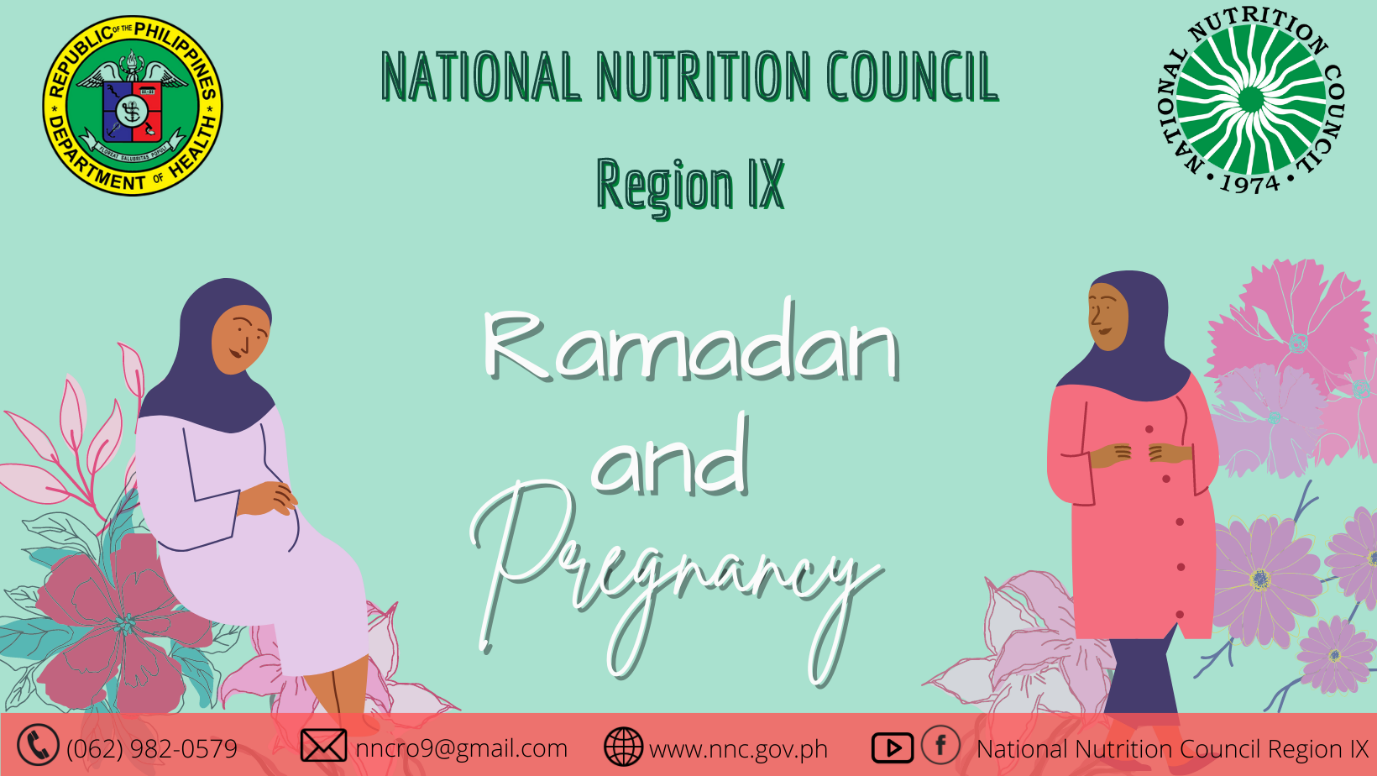
 Ramadan is very special time of the year for our Muslim family and friends – including pregnant and breastfeeding women. Fasting during this period is one of the five pillars of Islam, although pregnant women are exempted if it poses a risk to their health. Whilst pregnant and breastfeeding women are not expected to fast, for some women, this can be a hard adjustment.
When you are used to fasting every year and family/friends around you are all fasting, it’s understandable to feel a little sad at missing out. According to Dr. Ian Fergusson, an obstetrician at St Thomas’ Hospital in London, the exemption from fasting is to protect you and your baby, to keep you both well and safe.
This is especially important for women with pregnancy complications such as gestational diabetes, as it can make maintaining blood sugar levels tricky, or concerns with your baby’s growth. Missed fasts can be compensated with fasting at a later date, or by performing “fidyah”, a religious donations made in Islam when a fast is missed or broken, instead. There are still plenty of ways of feeling involved in Ramadan – be it spending time on your spiritual aspects or finding things to cut back on.
But is fasting safe during pregnancy? A study by scientists in the United States, based on census data from the US, Iraq and Uganda, found that pregnant women who fast are likely to have smaller babies who are more prone to learning disabilities in adulthood. The researchers from Columbia University found that this trend was most marked if mothers-to-be fasted early on in their pregnancy and during the summer when longer days meant they went more hours without food.
Religious leaders say pregnant women shouldn’t attempt to fast as it puts the health of their unborn baby at risk. Fasting may also increase the risk of becoming dehydrated, especially if Ramadan falls during the summer, and this may affect the way your kidneys function and the amount of fluid surrounding your baby. The impact of fasting during pregnancy may depend on the overall health of the mother, the stage of pregnancy and the time of year Ramadan occurs.
It is a personal decision and if you decide to do so, you should speak to your midwife or doctor for advice. They will look at your pregnancy history and talk to you about your weight, lifestyle, how many weeks pregnant you are, and whether you have had any complications so far. All of this will help them work out how you will cope with fasting and if there is any extra support you will need. If you do decide to fast, consider taking a break from it every couple of days.
PNC-ZDS Marie Claire A. Gaas
References:
1. Observing Ramadan during Pregnancy
https://www.nutrition.org.uk/healthyliving/nutritionforpregnancy/ramadanpregnancy.html
2. What is Fidyah?
Fidya | Islamic Relief UK”. Islamic Relief UK. Retrieved 2021-03-22
3. Pregnant women told not to fast during holy Ramadan
By Divya Talwar, BBC Asian Network