


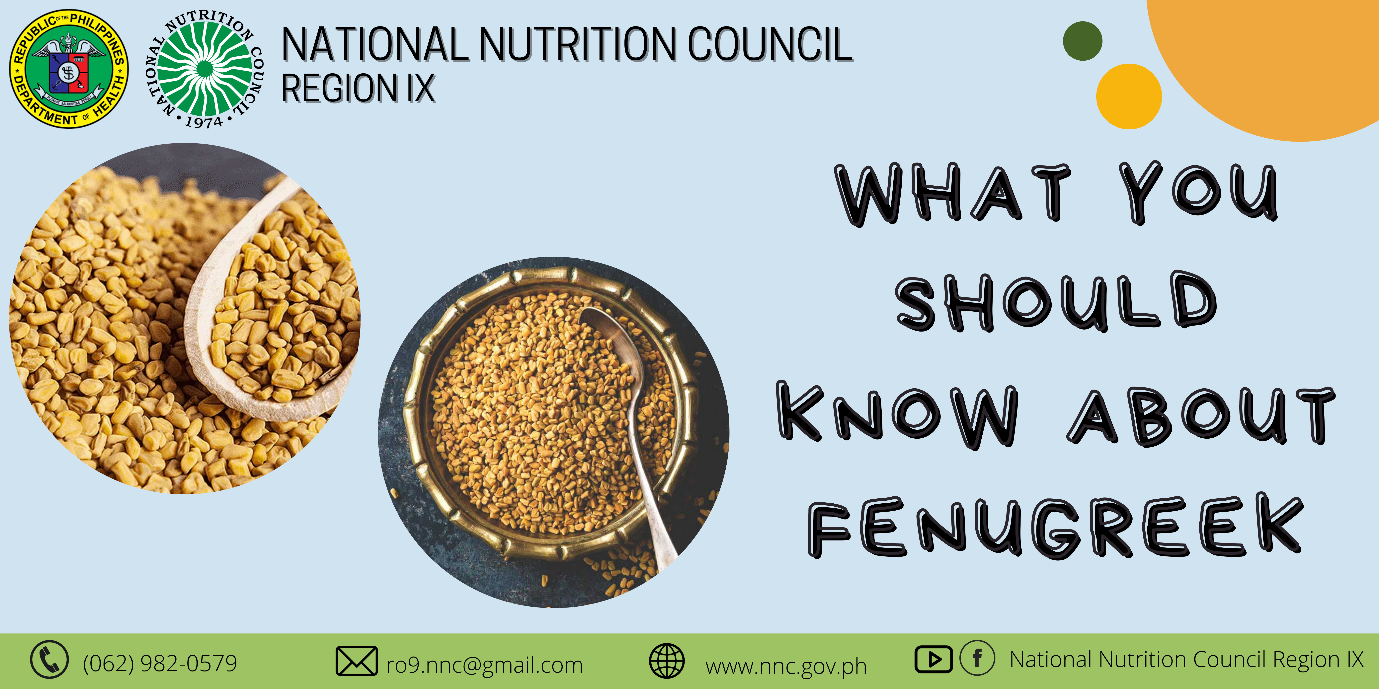
Fenugreek is an herb that belongs to the same family as soy. People use its fresh and dried seeds, leaves, twigs, and roots as a spice, flavoring agent, and supplement, according to Jennifer Huizen of Medical News Today. While more research is required, some studies indicate that fenugreek may have a variety of health benefits. Furthermore, fenugreek may help reduce the risk of cancer, diabetes, obesity, high cholesterol, high blood pressure, heart disease, bacterial, fungal, and viral infections, as well as inflammation. Fenugreek (Trigonella foenum-graecum) is a plant that grows to a height of about 2-3 feet (60-90 cm). According to Ethan Basch and colleagues’ research, it has green leaves, small white flowers, and pods containing small, golden-brown seeds. Furthermore, fenugreek has been used in alternative and Chinese medicine for thousands of years to treat skin conditions and a variety of other diseases.
According to the US Department of Agriculture, fenugreek seeds have a healthy nutritional profile, containing a good amount of fiber and minerals such as iron and magnesium. It is also one of the oldest medicinal plants, with roots in both traditional Indian and Chinese medicine systems. Fenugreek extracts are used in a variety of everyday products, including soaps, cosmetics, teas, garam masala, a spice blend, condiments, and imitation maple syrup. According to Rudy Mawer, one of the few benefits of this herb is its effects on breast milk production. While we all know that breast milk is the best source of nutrition for your baby’s development, some mothers may struggle to produce enough. While prescription drugs are commonly used to increase breastmilk production, studies indicate that fenugreek may be a safe, natural alternative. Despite the fact that this study is encouraging, you should discuss any concerns about breastmilk production with your midwife or medical practitioner.
According to Jennifer Huizen, numerous animal studies have revealed that at least four compounds in fenugreek have anti-diabetic properties. They primarily reduce intestinal glucose absorption, delay gastric emptying, improve insulin sensitivity and action, and decrease lipid-binding protein concentrations. However, the researchers discovered fewer benefits from fenugreek than they anticipated. A Fenugreek may also suppress the appetite and increase feelings of fullness, which could help reduce overeating and lead to weight loss. Nine overweight female Korean participants drank fennel, fenugreek, or placebo tea before lunch in a 2015 study by JiYoung Bae and colleagues. Those who drank fenugreek tea felt less hungry and more satisfied. However, the tea did not cause the participants to consume less. Fenugreek fiber extract powders may cause a feeling of fullness due to their fiber content.
Fenugreek may also help increase low testosterone and sperm levels. In a 2017 study by Anuj Maheshwari and colleagues, 50 male volunteers took an extract of fenugreek seeds for 12 weeks. Approximately 85 percent of the participants had a higher sperm count. The extract also consistently improved mental alertness, mood, and libido, according to the findings. Fenugreek appears to be relatively safe for healthy individuals However, as with most supplements, there have been some reports of less serious side effects such as diarrhea and indigestion. but this has not been confirmed. Because fenugreek affects blood sugar levels, it should be used with caution if you are taking diabetes medications or other dietary supplements that lower blood sugar levels. While fenugreek has health benefits, it cannot cure any disease, and before beginning a new supplement, always consult with a medical professional. Most importantly, ensure that you’re taking a safe dose.
ZDS DMO II Marie-Claire Gaas, RND
References:
1. Is fenugreek good for you?
Medically reviewed by Zara Risoldi Cochrane, Pharm.D., M.S., FASCP — By Jennifer Huizen on January 31, 2019
https://www.medicalnewstoday.com/articles/324334
2. Fenugreek: An Herb with Impressive Health Benefits
By Rudy Mawer, MSc, CISSN on June 13, 2019
https://www.healthline.com/nutrition/fenugreek#:~:text=Based%20on%20the%20available%20evidence,is%20needed%20in%20these%20areas.
3. Therapeutic applications of fenugreek
Ethan Basch, Catherine Ulbricht, Grace Kuo, Philippe Szapary, Michael Smith