


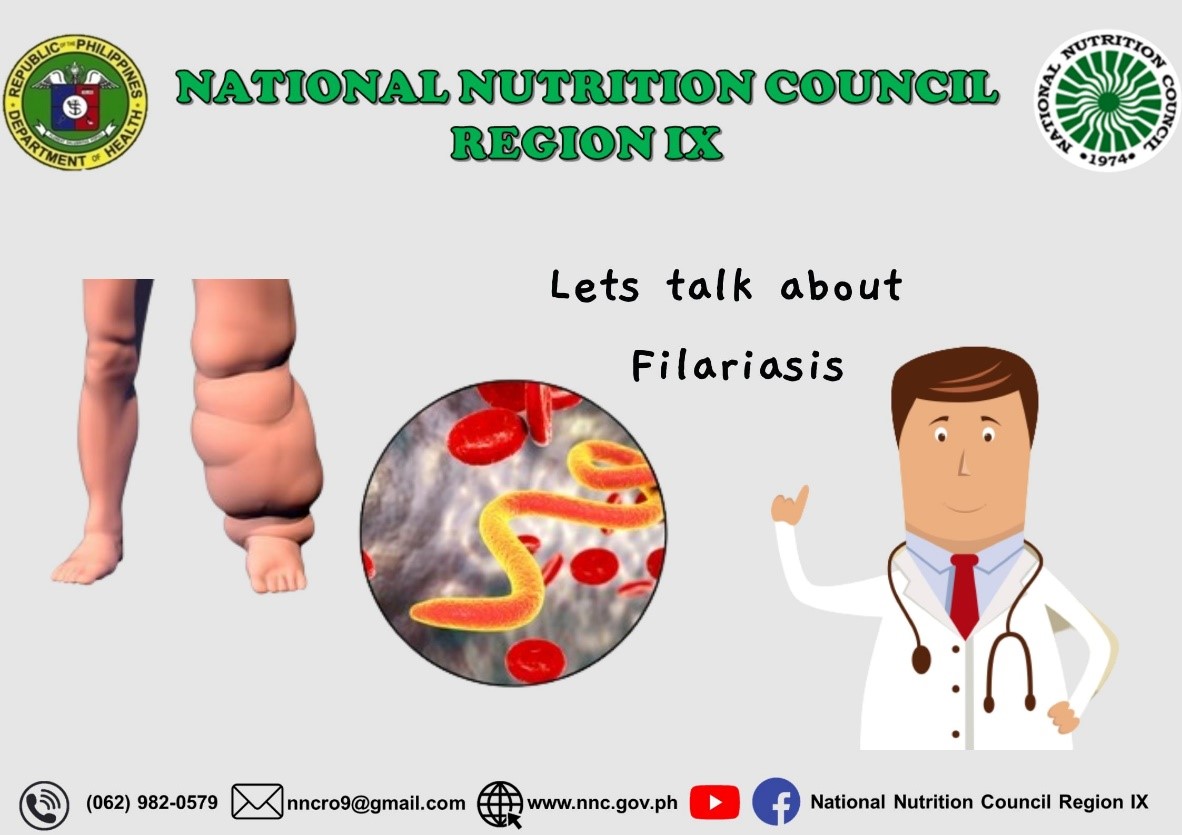
 November is Filariasis Awareness Month in the Philippines. A neglected tropical illness is a lymphatic filariasis, also called elephantiasis. Infection happens when filarial parasites are transmitted to people by mosquitoes. Infection with roundworms of the Filarioidea species results in the parasitic disease known as filariasis. These are spread by insects that feed on blood, such as mosquitoes and black flies. They are a part of the helminthiases category of illnesses. The superfamily of threadlike parasitic worms known as the Filarioidea contains a large number of families, genera, and species. Only a few filarial species can infect humans, but vertebrates are their primary hosts. Adult filarial worms, which resemble threads, live in lymphatic or subcutaneous tissues.
Origin and spread
Infection with nematodes (roundworms) from the family Filariodidea is what causes lymphatic filariasis. These thread-like filarial worms come in three different varieties:
- 90% of cases are caused by Wuchereria bancrofti.
- Brugia malayi, the primary factor in the remaining instances
- The sickness is also brought on by Brugia timori.
Symptoms
Acute, chronic, and asymptomatic states are all involved in lymphatic filariasis infection. The majority of infections are asymptomatic, contributing to the spread of the parasite but exhibiting no outward symptoms of infection. The lymphatic system, the kidneys, and the immune system are all nonetheless harmed by these silent infections.
When lymphatic filariasis progresses into a chronic condition, it causes hydrocele, lymphoedema (tissue swelling), or elephantiasis (thickening of the skin and tissues) in the limbs (scrotal swelling). Breast and genital organ involvement are typical. Such physical abnormalities frequently result in social stigma, poor mental health, lost employment possibilities, and higher medical costs for both patients and their caregivers. The socioeconomic costs of poverty and isolation are significant.
Chronic lymphoedema or elephantiasis frequently comes with acute episodes of localized inflammation involving the skin, lymph nodes, and lymphatic vessels. The immune system’s reaction to the parasite in some of these events. Most arise from bacterial skin infections that spread to other parts of the body as a result of underlying lymphatic damage, which compromises natural defenses to some extent. The main reason lymphatic filariasis patients lose money is because of these acute bouts, which can be crippling and continue for weeks.
WHO advises mass drug administration (MDA) as a preventative chemotherapeutic technique to halt lymphatic filariasis transmission. MDA comprises administering prescribed, environment-specific regimens of the anthelminthic medications diethylcarbamazine and albendazole to all eligible individuals (2 years of age and older) residing in all endemic locations.
As well as community-level vector control, WHO continues to promote personal protection against mosquitoes, including the use of bed nets when sleeping, insect repellents, and light-colored long sleeves or pants.
PDO I Kimberly M. Tanador, RND
References:
Filariasis
https://emedicine.medscape.com/article/217776-overview
https://www.ncbi.nlm.nih.gov/books/NBK556012/
Overview of Filarial Nematode Infections
https://www.msdmanuals.com/professional/infectious-diseases/nematodes-roundworms/overview-of-filarial-nematode-infections
Lymphatic filariasis
https://www.who.int/news-room/fact-sheets/detail/lymphatic-filariasis