


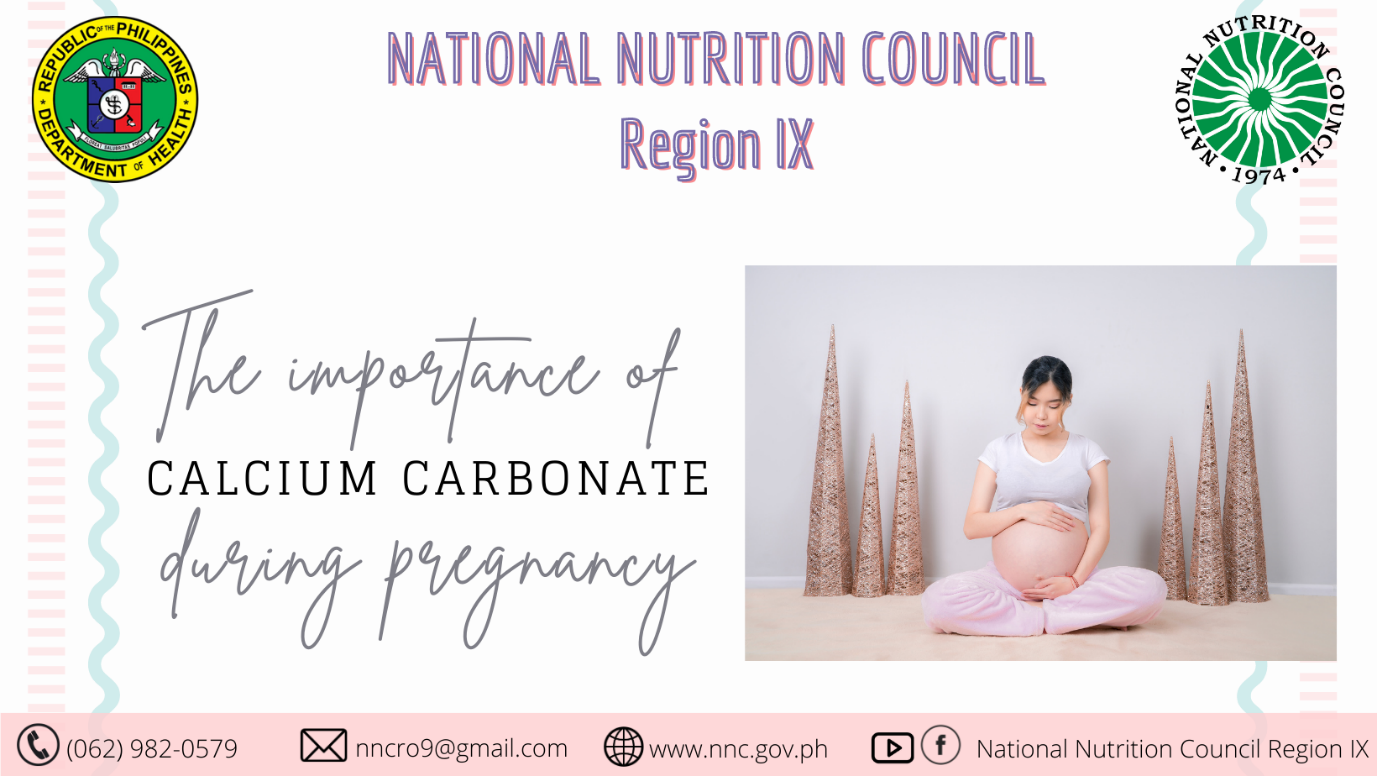
 Calcium is one of the key minerals you need during pregnancy—along with other vitamins and minerals, your body requires it to be adequate as it is necessary in the development of vital structures of the baby like the skeleton. Needs vary by age, too much and too little calcium can cause complications.
Maternal Nutrient Deficiency, or MND, is a common occurrence in the Philippines. Based on the latest FNRI Nutritional Survey, 89.5% of pregnant Filipino women don’t meet their daily calcium requirements. During pregnancy, a sufficient amount of Calcium is very important as it can help prevent losing bone density as the baby also requires calcium for his/her own bone growth.
Calcium carbonate is a dietary supplement used when the amount of calcium taken in the diet is not enough. As Calcium is needed by the body for healthy bones, muscles, nervous system, and heart, it is also used as an antacid to relieve heartburn, acid indigestion, and upset stomach and is available with or without a prescription.
The recommended calcium intake of pregnant women according to WHO guidelines is 1.5g to 2.5g per day. It must be taken daily from 20 weeks’ gestation until the end of pregnancy. Aside from taking calcium carbonate supplements, a pregnant woman can also increase their calcium intake through eating foods rich in calcium. Great sources of calcium include milk, cheese and other dairy foods; green leafy vegetables – such as curly kale, okra and spinach; soya drinks with added calcium, bread and anything made with fortified flour; and fish where you eat the bones – such as sardines and anchovies.
Calcium can also manage pregnancy-induced hypertension. Hypertensive disorders occur in up to 10% of pregnancies and are a major source of fetal and maternal morbidity and mortality. A high-dose calcium supplementation (i.e., at least 1,000 mg per day) during pregnancy also reduces the risk of developing hypertension and preeclampsia. Calcium supplementation is most significant at reducing risk in women at risk of hypertensive disorders and those with low-calcium diets. Therefore, calcium carbonate supplements are indispensable during pregnancy in addition to other prenatal vitamins needed. Taking these supplements while integrating other health practices, will result in a healthy pregnancy.
PNC-ZDS Marie Claire A. Gaas
References:
1. Calcium Needs during Pregnancy By Donna Murray, RN, BSN
https://www.verywellfamily.com/calcium-needs-during-pregnancy-4580491
2. Prevalence of Maternal Nutrition Deficiency
https://www.anmum.com/ph/en/pregnancy/nutrition/are-you-among-the-25-percent-at-risk-of-malnutrition
3. Hypertension in pregnancy
Report of the American College of Obstetricians and Gynecologists’ Task Force on Hypertension in Pregnancy. Obstet Gynecol. 2013;122(5):1122–1131