


 Folic acid, also known as Folate or Vitamin B12, is a vitamin that is needed in fetal brain, heart and palate development and in the prevention of neural tube defects (NTDs) during pregnancy. It plays an important role in the production of red blood cells and helps your baby’s neural tube develop into their brain and spinal cord. Folic acid acts by helping the body produce and maintain new cells. In particular, red blood cell formation is dependent upon adequate levels of this vitamin. Folic acid deficiency is a known cause of anemia in both adults and children.
The body also requires the use of folic acid to manufacture DNA. DNA is required for rapid cell division and organ/tissue formation in the development of the baby. However, folic acid can only help prevent neural tube defects or NTDs during the first weeks of pregnancy, usually before a woman even knows she’s pregnant. This is why it is very important that women of child-bearing age consume at least 0.4 mg or 400mcg/day of folic acid at least a month prior to conception and during the first trimester of pregnancy.
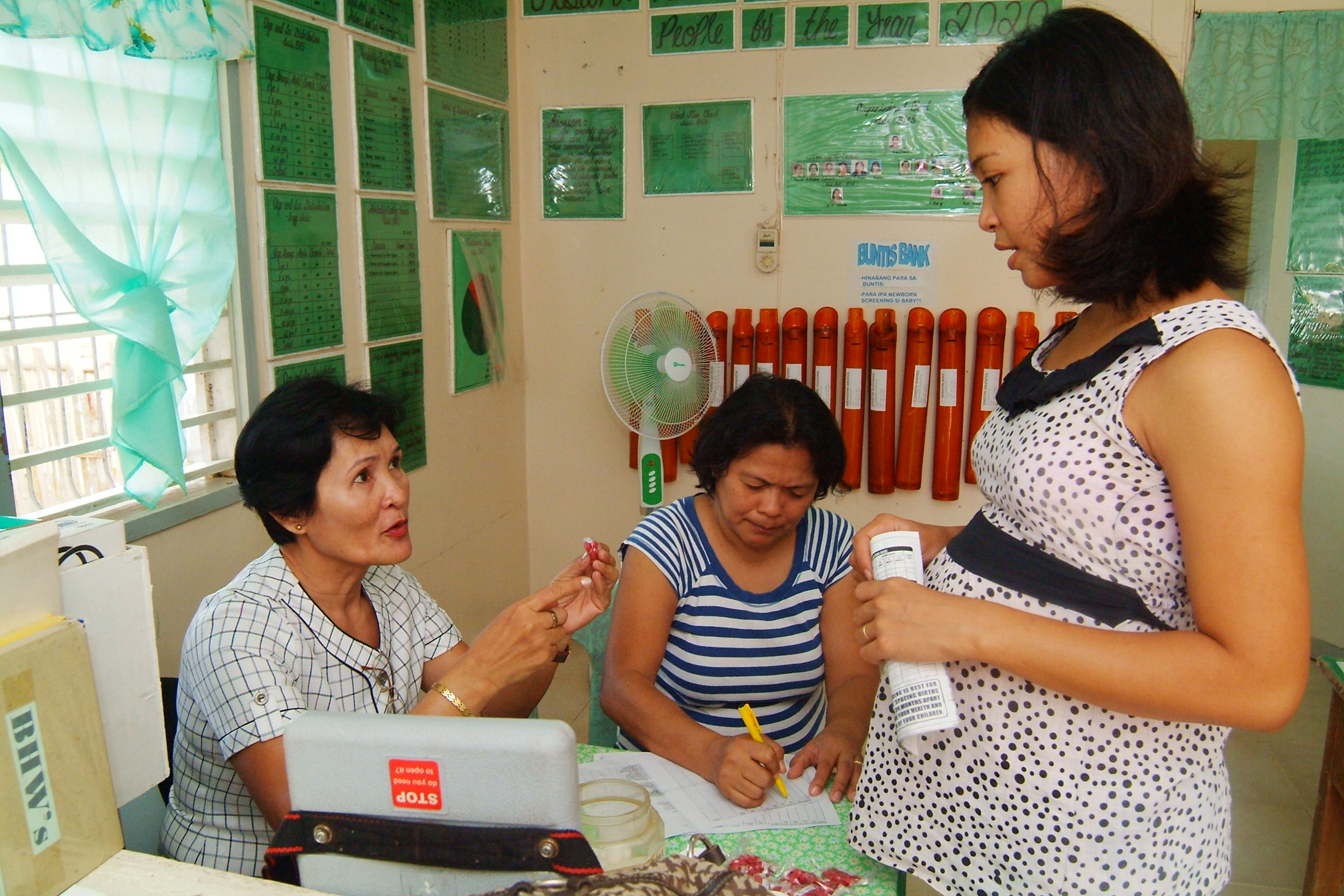
The recommended amount for all women of child-bearing age is 400 mcg per day while for pregnant women it is increased up to 600 – 800 mcg per day. This requirement cannot be met by diet alone, thus, our community health centers ensure that additional supplements for these nutrients are provided for the community. Our health centers give FREE prenatal supplements such as Iron + Folic Acid Tablets and Calcium supplements for pregnant women who come to health centers for prenatal care.
It is important to note, however, that doses of folic acid greater than 1 mg per day might cause abdominal cramps, diarrhea, rash, sleep disorders, irritability, confusion, nausea, stomach upset, behavior changes, skin reactions, seizures, gas, excitability, and other side effects.
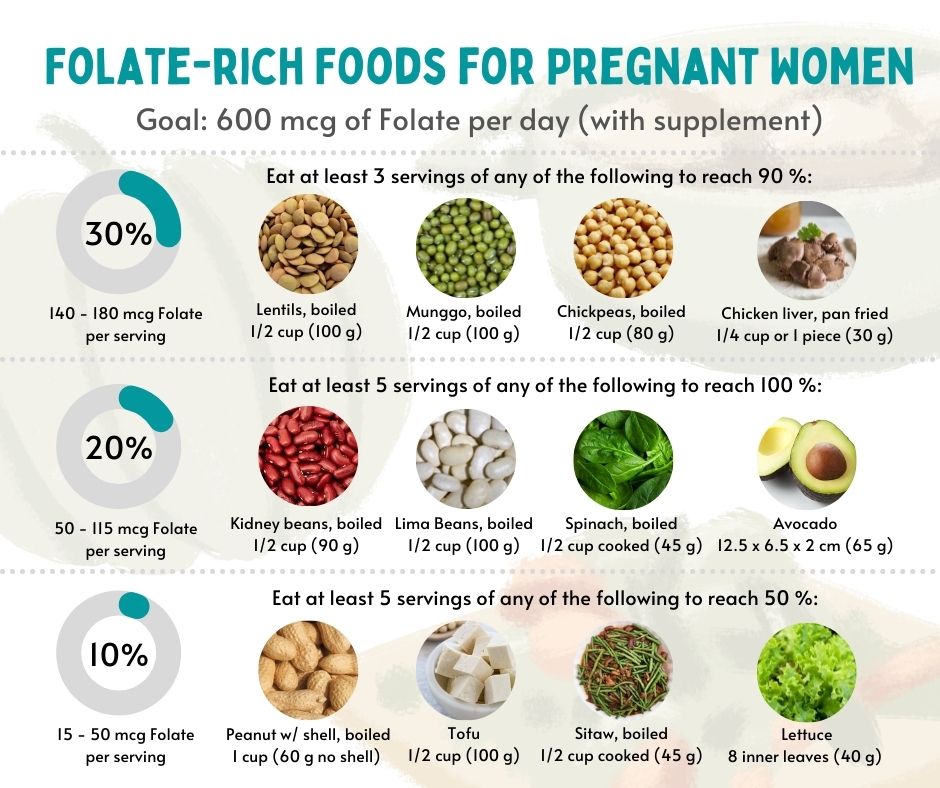
Aside from supplements, there are some healthy food items that can be a great source of folate such as chicken liver, beans and green leafy vegetables. The infographic below shows the recommended serving sizes and folate content of some local food items which you can add into your diet.
/AET
References:
DOST-FNRI. Food Exchange Lists for Meal Planning, 4th ed.
Food and Nutrition Research Institute, Department of Science and Technology (2018). Philippine Dietary Reference Intakes 2015.
Food and Nutrition Research Institute, Department of Science and Technology (1997). The Philippine Food Composition Tables of 1997.
National Institutes of Health (2021). Folate: Fact Sheet for Health Professionals. National Institutes of Health Office of Dietary Supplements. Retrieved from https://ods.od.nih.gov/factsheets/Folate-HealthProfessional/
Image Sources:
Lentils: https://images.app.goo.gl/LtC36hi8h6it8aYd8
Munggo: https://images.app.goo.gl/1o6hSgkyupvQCjug8
Chickpeas: https://images.app.goo.gl/zQaxtPLKLzs8LuU99
Chicken Liver: https://images.app.goo.gl/uWyQGWGo9CQRcrnJ9
Kidney Beans: https://images.app.goo.gl/B8rciV9crhN3mbMG9
Lima Beans: https://images.app.goo.gl/n9EJFsWVgU8aDyDZ6
Spinach: https://images.app.goo.gl/oAGGsfsMGtZpg1x97
Avocado: https://images.app.goo.gl/t1k2JUJwTovEU5gJA
Peanut with Shell: https://images.app.goo.gl/fXZW9K8jnB8t8xHT7
Tofu: https://images.app.goo.gl/KDQG88ugM3ba3eSk7