


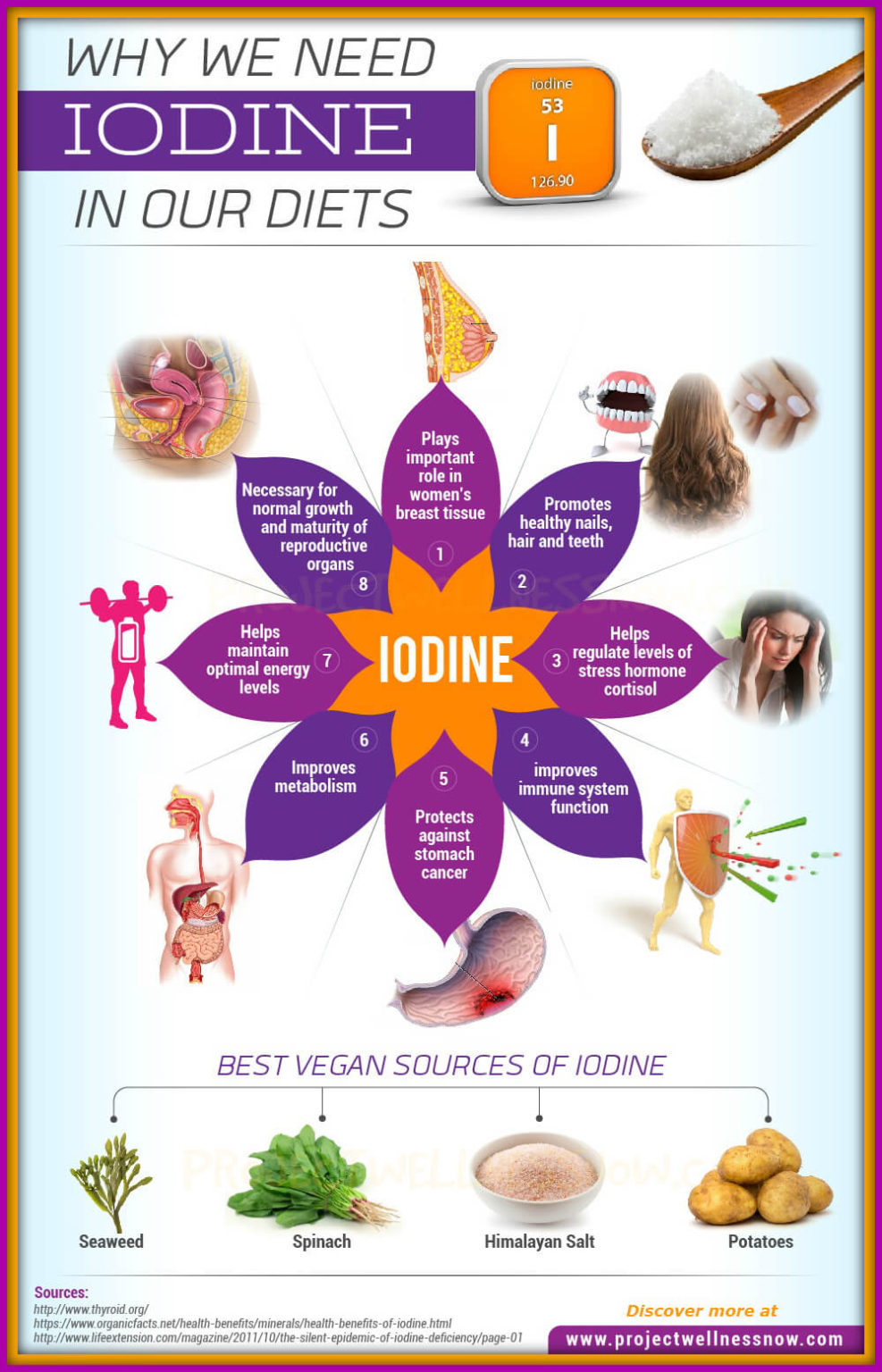
 The Department of Health (DOH) has designated February 14-20 as the National Mental Retardation Week. Mental Retardation (MR) also known as Intellectual Disability (ID), is defined as a sub-average intellectual ability present from birth or early infancy. It is a term used in cases when the brain doesn’t develop properly, thus limiting a person’s ability to learn at an expected level and to function in daily life.Generally speaking, the exact cause of MR remains unclear. However, the DSM-IV TR states that it could have biological or sociological triggers. In some instances, it adds, a combination of both. One of the risk factor of MR is iodine deficiency during pregnancy. Iodine deficiency is especially important in women who are pregnant or nursing their infants. Children of mothers with severe iodine deficiency during pregnancy can have intellectual disabilities and problems with growth. According to the National Center for Biotechnology Information (NCBI); the consequence of iodine deficiency during pregnancy is impaired synthesis of thyroid hormones by the mother and fetus. An insufficient supply of thyroid hormones to the developing brain may result in mental retardation. Brain damage and irreversible mental retardation are the most important disorders induced by iodine deficiency.
The Department of Health (DOH) and National Nutrition Council (NNC) advocates the consumption of salt fortified with iodine since it is a proven effective strategy for prevention of Iodine Deficiency Disorder (IDD). Salt Iodization is one of the component of the Madatory Food Fortification Program under the Philippine Plan of Action for Nutrition (PPAN). The local government units are also encouraged to organize the Bantay Asin Task Force (BATF) to ensure the sustainability of the implementation of the ASIN Law and guarantee the iodization of all salt being produced, sold or traded, and utilized in the locality.
NO II ASATIENZA/OIC-RNPC RMLAQUIHON