


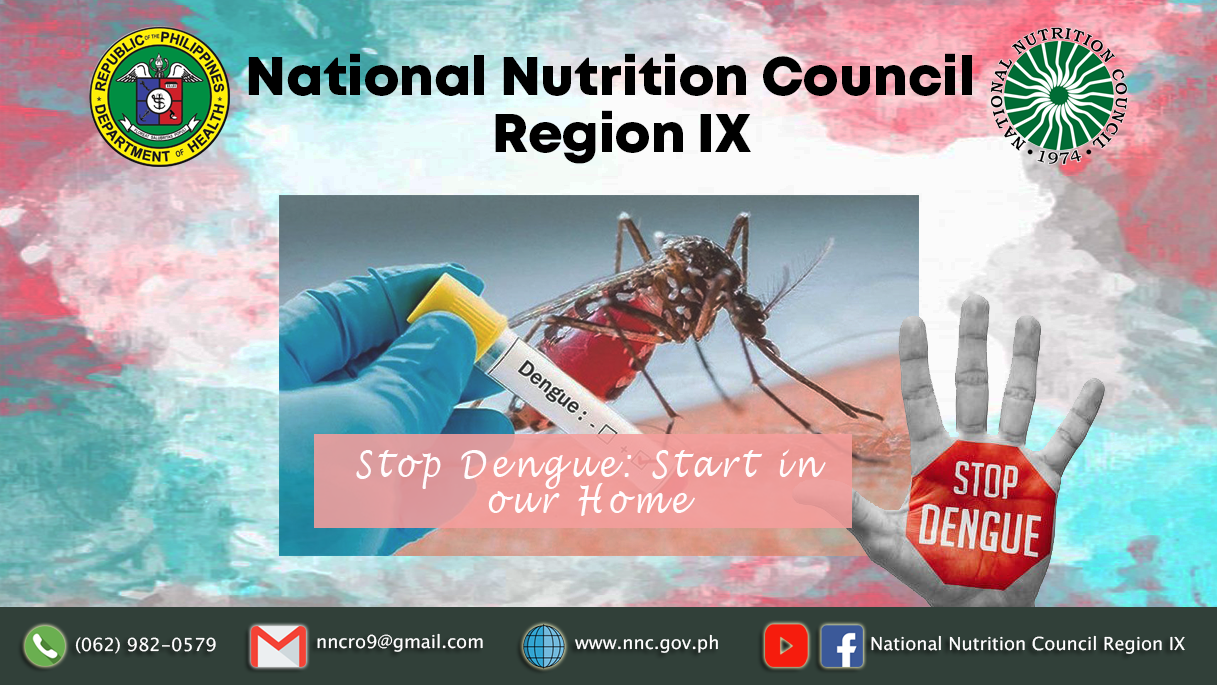
 Dengue is one of the fastest spreading vector-borne diseases in more than 100 countries around the globe. The month of June has been declared Dengue Awareness Month in the Philippines to promote public awareness on the preventive measures against the mosquito-borne viral disease. According to the Department of Health, dengue is an all-year-round public health threat. As of 6th of March 2021, there were 13,699 reported dengue cases in the Philippines including 50 deaths. But according to WHO, these figures are lower as compared to 42,584 cases reported last year of the same period. Now, what is dengue fever and how can we prevent it?
Dengue is caused by a bite of a female Aedes (Ae. aegypti or Ae. albopictus) mosquito infected with arbovirus. This mosquito also spreads Zika, Chikungunya and other viruses. The mosquitoes that spread dengue are found in most tropical and subtropical regions of the world including the Philippines. Once you’re bitten with an infected mosquito, symptoms usually appear 2-7 days with an incubation period of 4-10 days after the bite. The initial manifestations are usually composed of just mild symptoms which can be mistaken with other illnesses such as fever, body aches, muscle pains and rashes. For severe symptoms, one may experience stomach pain and tenderness, vomiting at least 3 times in 24 hours, nose and/or gum bleeding, vomiting of blood and/or blood in the stool, and feeling tired or restless.
Prevention has always been better than cure as most of us say, but how can we really keep ourselves and our family safe from the risk of acquiring dengue? The first step is within our homes by making sure to have clean surroundings to reduce mosquitoes from inhabiting and by keeping free from any non-usable container that can possibly hold stagnant water. It is also advisable to stay in an air-conditioned or well-screened house, wear protective clothing such as long sleeves and pants, and apply mosquito repellent creams containing at least 10% concentration of DEET.
Through the efforts of our government and with our active involvement, we can expect to eradicate dengue concerns in our country. Thus, disseminating right information and taking appropriate actions are the key to solving the dengue menace. The public must be informed that the simplest yet the best and the most cost effective preventive strategy is by putting an end to the root of the problem which is through elimination of possible breeding grounds of mosquitoes.
NO II Joanna Marie E. Baltazar
References:
- Update on the Dengue situation in the Western Pacific Region
https://www.who.int/docs/default-source/wpro—documents/emergency/surveillance/dengue/dengue-20210408.pdf?sfvrsn=fc80101d_55
- Dengue Fever
https://www.mayoclinic.org/diseases-conditions/dengue-fever/symptoms-causes/syc-20353078
- Dengue and Severe Dengue
https://www.who.int/news-room/fact-sheets/detail/dengue-and-severe-dengue
- DOH Prevention and Control Program
https://doh.gov.ph/national-dengue-prevention-and-control-program
- June is Dengue Awareness Month
https://www.pchrd.dost.gov.ph/index.php/events/6366-june-is-dengue-awareness-month