


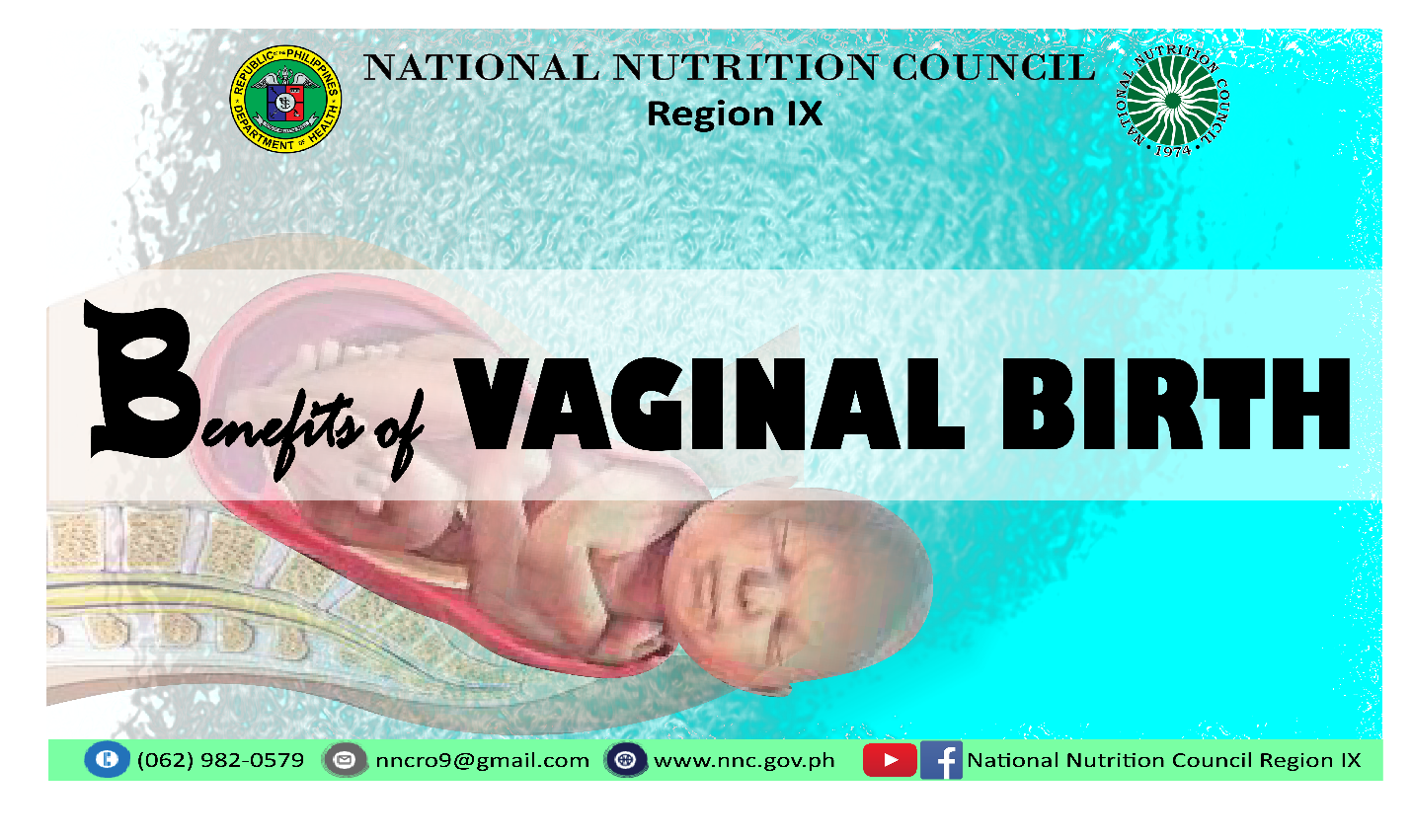
 Vaginal birth is the most common and the safest type of childbirth. The term “Natural birth” has been used to describe childbirth without medication for pain or speed up labor. This means not using any pain medication during labor but receiving other medical interventions such as fetal heart monitoring. Women rely on relaxation techniques and controlled breathing to help relieve the pain in the absence of pain medication during delivery. In the Philippines, most women prefer the vaginal type of delivery since it is cheaper than cesarean section type of childbirth.
The natural type of delivery involves minimal to no medical intervention. It is also beneficial to both mother and child. Benefits of a vaginal birth include: hospital stay will be shorter and your recovery time will be faster; your baby will receive beneficial bacteria; you’ll avoid the risks of major surgery; you’ll be more likely to engage in early breastfeeding; fewer complications in future pregnancies and of course you will save money.
Babies born through the birth canal are exposed to beneficial bacteria called the “Normal Flora” that will improve their immune system and gut health. Studies have found that babies born by C-section are more susceptible to health problems such as asthma, food allergies, allergic rhinitis (hay fever), and obesity later in life. Most women who have given birth through natural delivery are expected to stay for 24 to 48 hours in the hospital while two to four days after a cesarean. Recovery is longer in C-section compared to vaginal delivery and it will take six to 10 weeks for the wound to fully heal. Mothers are also discouraged to do any strenuous activities during the first six weeks after surgery. Surgery presents several risks, these include inflammation of the uterus, bad reaction to the anesthesia, infection, hemorrhaging and blood clots, and amniotic fluid embolism.
Giving birth is a life-changing event that will leave an impression on every mother for the rest of their life. As much as we want natural delivery, there are some cases in which cesarean delivery (C-section) becomes medically necessary. Women who have high-risk pregnancies are not recommended to have a natural birth. A pregnancy may be considered high risk if you are older than 35 years old, drank alcohol and used drugs while pregnant, have had a previous C-section, have a medical history of diabetes, preeclampsia, or blood-clotting issues, carrying more than one fetus, and have had certain complications during pregnancy. Giving birth should be a beautiful experience to both mother and child regardless of how that baby comes out of your body. Make the experience memorable. Stay fit and healthy for your complication-free delivery of the baby!
-PNC-ZDN Rowence Zorilla
References:
1. Types of Delivery
https://www.webmd.com/baby/guide/delivery-methods#1
2. What You Need to Know About Natural Birth
https://www.healthline.com/health/pregnancy/natural-birth#benefits
3. VAGINAL BIRTH BENEFITS FOR BABY & MOTHER
https://www.thetot.com/pregnancy-and-fertility/9-benefits-of-a-vaginal-birth/