


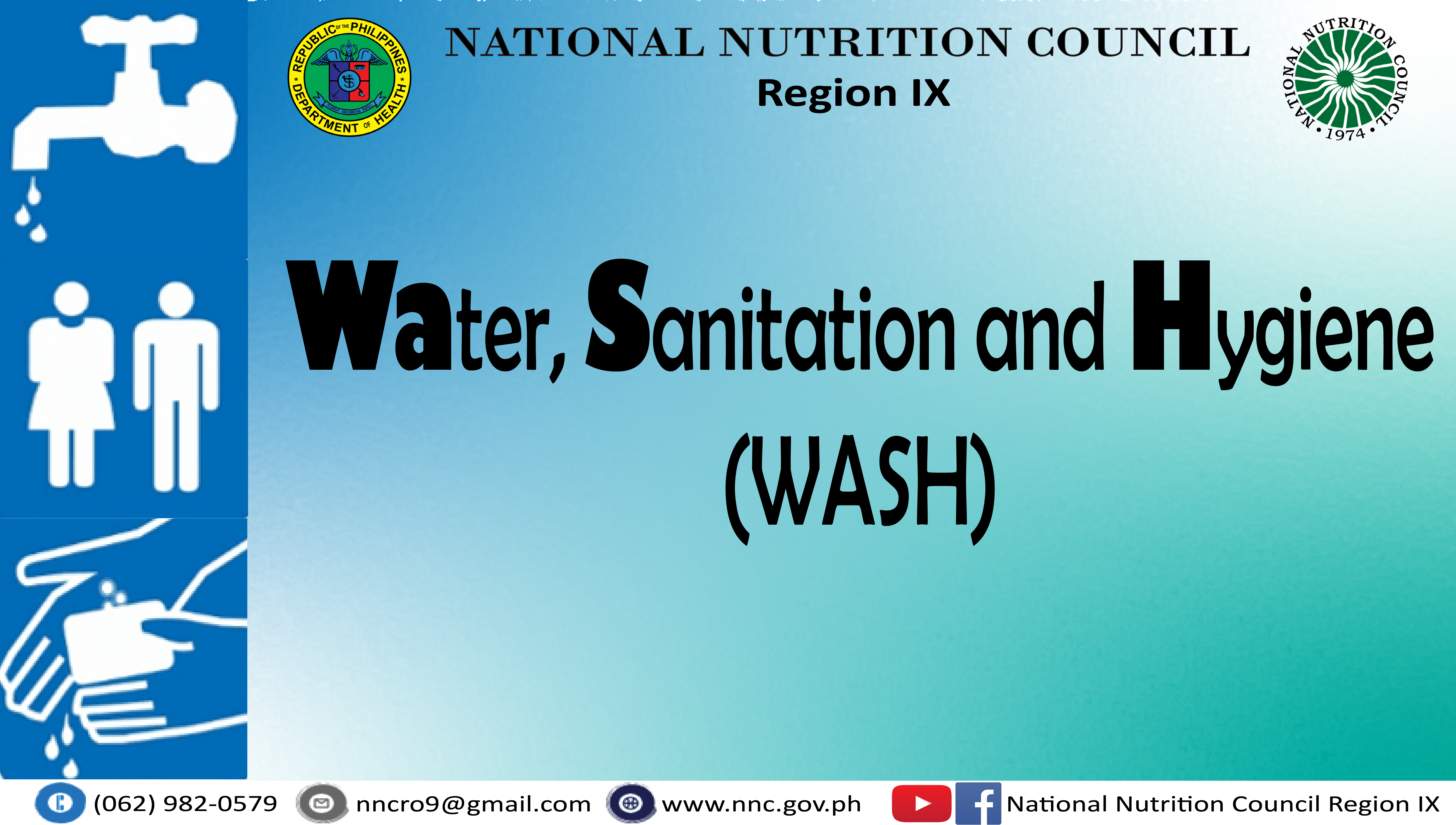
 Universal access to safe and clean water, adequate sanitation, and proper hygiene education can reduce different health problems, leading to improved health, poverty reduction, and socio-economic development. Sanitation and hygiene are critical to health, survival, and development. Safe drinking water, proper sanitation facilities, and proper hygiene are essential to health and wellness in the communities as well as preventing and protecting human health during infectious disease outbreaks, including the current COVID-19 pandemic. According to UNICEF in July 2017, 91% of the Philippines with an estimated 100.7 million population have access to at least basic water services, around 6 million Filipinos practice open defecation and some 20 million lack access to basic sanitation facilities.
Access to safe water and sanitation is a human right as recognized by the Philippines under the Republic Act (RA) 9710 which focuses more on the marginalized groups including women. RA 9710, also known as the “The Magna Carta of Women”, recognizes that women have an equal right to the enjoyment, use, and management of water, and other natural resources within their communities or ancestral domains and Section 21 of the Act also notes, “The State shall develop housing programs for women that are localized, simple, accessible with potable water”.
In the Philippines, the water, sanitation, and hygiene (WASH) program is led by the Department of Health. The two main policies for water and sanitation are the Philippine Water Supply Sector Roadmap and the Philippine Sustainable Sanitation Sector Roadmap. Each Policy has targets of 100%, by 2025 for water and by 2028 for sanitation. Safe and sufficient WASH play a role in preventing numerous neglected tropical diseases such as trachoma, soil-transmitted helminths, and schistosomiasis. Diarrheal disease deaths as a result of inadequate WASH were reduced by half during the Millennium Development Goal (MDG) period with the significant progress on water and sanitation provision playing a key role. Improving service levels towards safely managed drinking water or sanitation, such as regulated piped water or connections to sewers with wastewater treatment, can dramatically improve health by reducing diarrheal disease deaths. Access to clean water, toilet facilities, and good hygiene practices not only keeps children from thriving, but also gives them a healthier life.
PNC-ZDN Rowence Zorilla
References:
1. REPUBLIC ACT NO. 9710
https://www.officialgazette.gov.ph/2009/08/14/republic-act-no-9710/
2. Sanitation & Hygiene
https://www.cdc.gov/healthywater/global/sanitation/index.html
3. Sanitation, drinking-water and hygiene status overview
https://www.who.int/water_sanitation_health/monitoring/investments/philippines-01-jul-16.pdf
4. Two billion people lack safe drinking water, more than twice lack safe sanitation
https://www.unicef.org/philippines/press-releases/two-billion-people-lack-safe-drinking-water-more-twice-lack-safe-sanitation