


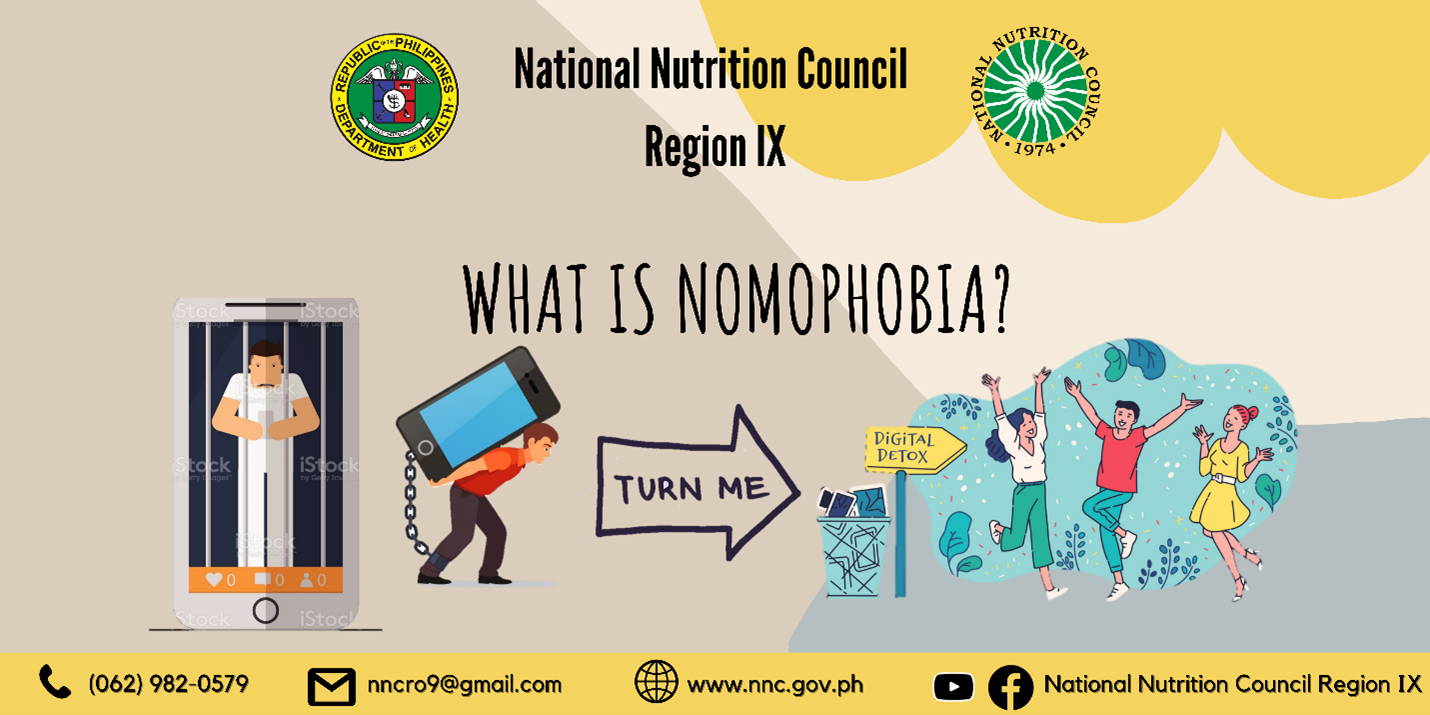
 Do you have trouble putting down your smartphone or feel anxious when you know you’ll lose service for a few hours? Do thoughts of being without your phone cause distress? If so, it’s possible you could have nomophobia, an extreme fear of not having your phone or not being able to use it. Most of us depend on our devices for information and connection, so it’s normal to worry about losing them. Suddenly not being able to find your phone probably sparks worries about how to deal with losing photos, contacts, and other information. But nomophobia, shortened from “no mobile phone phobia,” describes a fear of not having your phone that’s so persistent and severe it affects daily life. Emotional symptoms include worry, fear, or panic when you think about not having your phone or being unable to use it, anxiousness and agitation if you have to put your phone down or know you won’t be able to use it for a while, panic or anxiety if you briefly can’t find your phone, irritation, stress, or anxiety when you can’t check your phone. Physical symptoms include tightness in your chest, trouble breathing normally, trembling or shaking, increased sweating, feeling faint, dizzy, or disoriented, rapid heartbeat.
According to Shambare et al. (2012), cell phones are “possibly the biggest non-drug addiction of the 21st century”. Now a day’s college students are spending more than 9 hours per day on their mobile phones, which leads to addiction. It is an example of “a paradox of technology” having both the property of freeing and enslaving. Research has shown that smartphones adversely affect cognition, said UNC Health neurologist Dan Kaufer, MD, who spoke to Health Talk prior to his death in July. Cognition is the process of acquiring and applying knowledge through thought, experiences and the senses. “With smartphones, you have a whole encyclopedia and beyond of information at your fingertips at any point in time. But this results in a much more superficial or shallow way to access information,” Dr. Kaufer said. “The more we rely on these types of information aids or sources, the less work and processing our brains actually do.” In other words, our brains do not have to work hard to obtain the information, so we don’t retain it as well either. For example, when you read a book, you generate the images described in the book with your mind. “That involves making connections between different parts of your brain,” Dr. Kaufer said. But “when you look at a picture that is already there, it’s much more passive. You’re not working [as many] parts of your brain.”
A way to cope with nomophobia is being digitally detoxed. During digital detox, a person stops using technology like smartphones, computers and televisions. While most people can’t get rid of technology entirely, they can take breaks to focus on other parts of life. A digital detox can help you lower the stress and physical effects of constant technology use.
You can use many strategies to take a break from screen time. Different methods work for different people because of our unique lifestyles and personalities. Try these five ways to do a digital detoxification:
- Set time boundaries: Schedule technology-free hours every day, stay away from your phone during meals or add technology-free activities to your schedule like classes.
- Use your phone with purpose: When you want to use your phone, consider the reason why. If it involves negative coping behaviors like avoidance of an activity, think about how you can better handle that feeling.
- Set physical boundaries: If you have trouble putting down your phone, try storing it in another room to discourage yourself from using it.
- Enjoy more paper media: Try out non-digital media like books, newspapers and comics. You can also pick up a pencil and paper to write or draw.
- Take advantage of your phone’s apps and features: Your phone’s features can help you control your overall technology use. For example, you can turn off notifications for certain apps or turn off your phone entirely for a while.
If you find difficulty managing the stress brought about by getting off smartphone from your hand even for a moment and is troubling you which affects your activities of daily living, find a counselor near you. Remember, don’t let technology take over your head. Instead, take technology to your advantage for convenience and comfort.
NO I Zamubec Alomar C. Adlawan, RND
REFERENCES:
- Nomophobia
https://www.healthline.com/health/anxiety/nomophobia#symptoms
- The Effects of Smartphone Usage on the Brain
https://healthtalk.unchealthcare.org/the-effects-of-smartphone-usage-on-the-brain/
- NOMOPHOBIA: NO MObile PHone PhoBIA
https://www.ncbi.nlm.nih.gov/pmc/articles/PMC6510111/
- FIVE WAYS TO DO A DIGITAL DETOX