


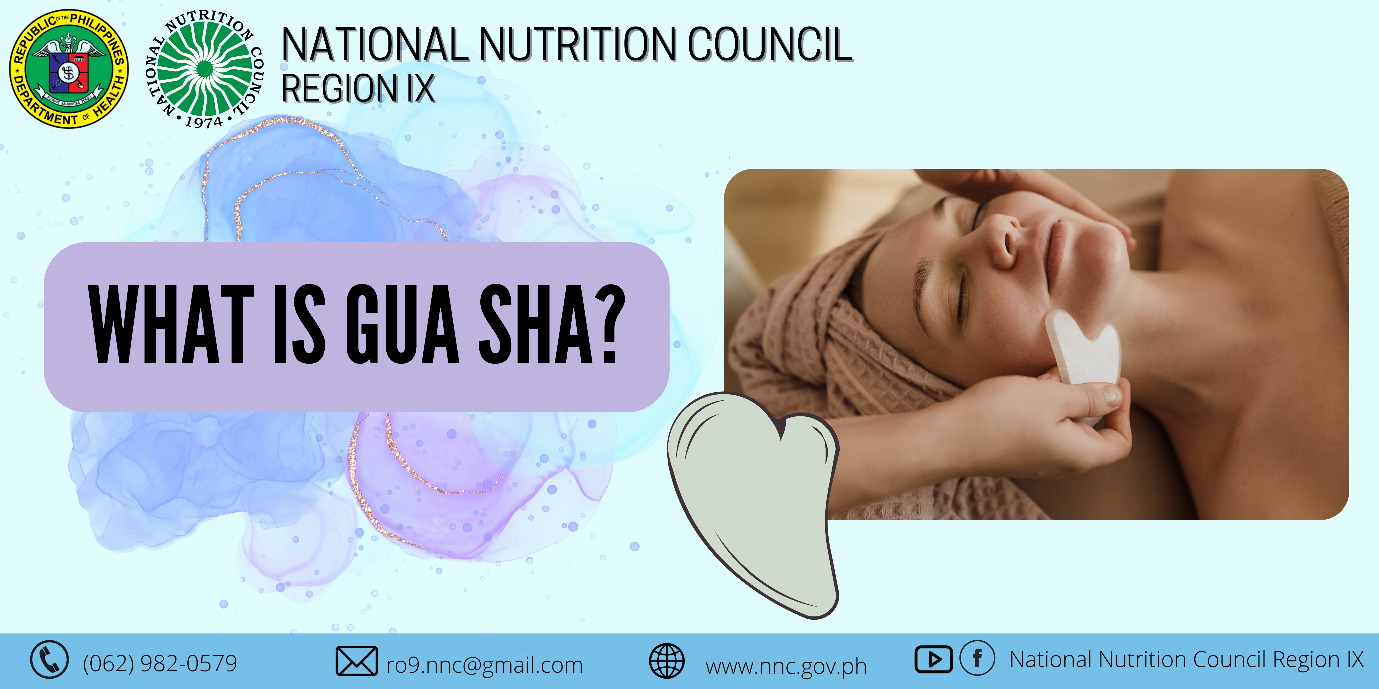
 Gua sha is a traditional East Asian medicine technique. It is frequently used to treat muscle pain and tension, according to Claire Sissons of Medical News Today, but there has been little research into how effective it is. Gua sha aims to circulate energy, also known as qi or chi, throughout the body, Claire Sissons added. The treatment entails rubbing the skin in long strokes with a tool, and applying enough pressure to cause minor bruising.
Gua sha is the practice of applying pressure and scraping the skin with a tool to relieve pain and tension. This action causes minor bruising, which frequently manifests as purple or red spots known as petechiae or sha. Gua sha, pronounced gwahshah, is derived from the Chinese word for scraping. It is also known as skin scraping, spooning, or coining. Qi or chi is energy that flows through the body, according to traditional Chinese medicine. Many people believe that a person’s qi must be balanced and flowing freely in order for them to be healthy and happy.
Claire Sissons stated that Gua sha is most commonly used to relieve muscle and joint pain. Musculoskeletal disorders are conditions that affect the muscles and bones. Back pain, tendon strain, and carpal tunnel syndrome are a few examples. Gua sha practitioners claim that it can also boost the immune system and reduce inflammation. Gua sha is sometimes used to treat a cold, fever, or lung problem. Microtrauma refers to minor injuries to the body, such as bruises caused by gua sha. These induce a response in the body that may aid in the breakdown of scar tissue.
Small studies have been conducted on women nearing menopause, people with neck and shoulder pain from computer use, and male weightlifters to aid in recovery after training older adults with back pain to see if gua sha works. According to a March 2017 study published in the Journal of the North American Menopause Society, women found that perimenopause symptoms such as sweating, insomnia, and headaches were reduced after gua sha. Krittaya Saenlee and colleagues discovered in 2014 that gua sha improved range of motion and reduced pain in people who used computers frequently when compared to a control group that received no treatment. In a 2017 study, weightlifters who had gua sha felt like it took less effort to lift weights after treatment. This could imply that the treatment hastens muscle recovery.
Gua sha causes tiny blood vessels near the skin’s surface known as capillaries to burst. This results in the characteristic red or purple bruises known as sha. Bruises typically heal in a few days to a week and can be painful while healing. To relieve pain and reduce swelling, people can take an over-the-counter pain reliever such as ibuprofen. A person should protect the bruised area and avoid bumping it. An ice pack can help to reduce inflammation and relieve pain. Is gua sha a painful treatment? Although the treatment is not meant to be painful, gua sha intentionally causes bruising, which may cause discomfort for some people. These bruises should go away after a few days. Claire Sissons reiterated that Gua sha is used to treat a variety of illnesses and disorders, but research on a small number of specific medical conditions has been conducted. More research is needed to determine whether gua sha is a viable treatment option. Gua sha has few serious side effects, but it can be painful for some people. Claire Sissons also advises anyone considering gua sha to seek the services of an experienced practitioner.
DMO II Marie-Claire Gaas
References:
1. Gua sha: What you need to know
Medically reviewed by Debra Rose Wilson, Ph.D., MSN, R.N., IBCLC, AHN-BC, CHT — By Claire Sissons on December 23, 2017
https://www.medicalnewstoday.com/articles/320397#overview
2. Effect of Gua sha therapy on perimenopausal syndrome: a randomized controlled trial
The Journal of North American Menopause Society, on March 2017
3. Immediate effects of Gua Sha therapy for reducing neck and shoulder pain associated with myofascial trigger point in computer users
Krittaya Saenlee, Wichai Eungpinichpong, and Uraiwan Chatchawan
https://he01.tci-thaijo.org/index.php/ams/article/view/66337