


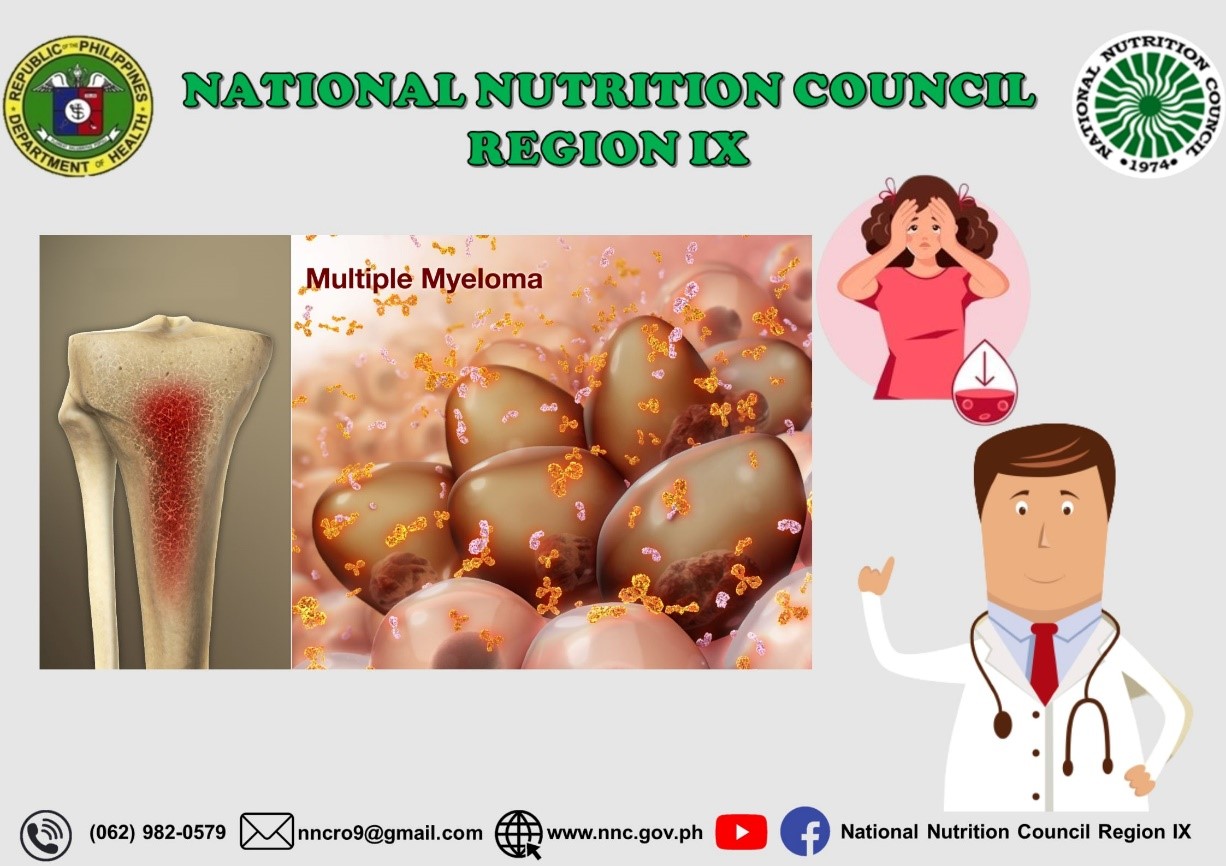
 Why is Multiple Myeloma (MM) linked to anemia? Do you experience a loss of appetite, disorientation, weariness, or bone pain? These and other MM symptoms are widespread, although anemia is frequently the first sign of the disease. A low number of these cells is referred to as anemia. Due to cancer’s impact on the body’s ability to produce red blood cells, fatigue is a potential side effect of multiple myeloma. An illness that produces bleeding may also cause a person to become anemic. Others may experience it as a result of a disorder that reduces their bone marrow’s ability to produce red blood cells. In actuality, anemia affects at least 60%–70% of MM patients at the time of diagnosis, and the majority continue to have it as the disease progresses.
Plasma cells overgrow in the bone marrow as a result of multiple myeloma. White blood cells called plasma cells make and secrete antibodies. Low red blood cell count is caused by an overpopulation of these cells in the bone marrow, which reduces the quantity of healthy blood-forming cells. These can range from mild to moderate to severe or even life-threatening. Hemoglobin, a component of red blood cells, transports oxygen from the lungs to various body areas. You might be given an anemia diagnosis if your hemoglobin level is below normal. Women’s normal hemoglobin ranges from 12 to 16 grams per deciliter (g/dL), whereas men’s ranges from 14 to 18 g/dL.
While a person is undergoing cancer treatment, these may be advised by the doctor to help restore a normal red blood cell count. Alternately, blood tests that count the blood cells can be used to monitor this condition in order to detect anemia early and determine how well a particular treatment is working. Anemia can be treated by the following methods, which may aid in the progression of MM:
- Vitamin supplementation – a vitamin deficiency can cause anemia in multiple myeloma. If you are deficient, they will recommend supplementation to correct it. Vitamin supplements may include iron, folate, or vitamin B-12. These supplements can be purchased over-the-counter and recommendation for the dietary changes of the patient is also advised.
- Medication is also available to trigger your bone marrow’s production of red blood cells. This can resolve anemia and its symptoms. Such drugs include epoetin alfa (Procrit or Epogren) and darbepoetin alfa (Aranesp). These drugs aren’t safe for everyone considering your therapy. There’s a risk of blood clots when combined with some other drugs that treat multiple myeloma. In another case, a blood transfusion is needed when anemia is considered severe or life-threatening.
Both multiple myeloma and anemia are complex, potentially fatal disorders. As soon as you exhibit symptoms of MM and anemia, you should see a doctor right once. Some people require vitamin supplements to increase the generation of red blood cells, or they may be candidates for MM medicine. For anemia, there are treatments available, but there are none for MM.
PDO I Kimberly M. Tanador, RND
References:
Multiple Myeloma and Anemia
https://www.myeloma.org/multiple-myeloma-anemia#:~:text=Myeloma%20cells%20interfere%20with%20the,(RBCs)%2C%20or%20anemia.
Anemia in multiple myeloma
https://pubmed.ncbi.nlm.nih.gov/16163188/
Multiple myeloma hinders erythropoiesis and causes anemia owing to high levels of CCL3 in the bone