


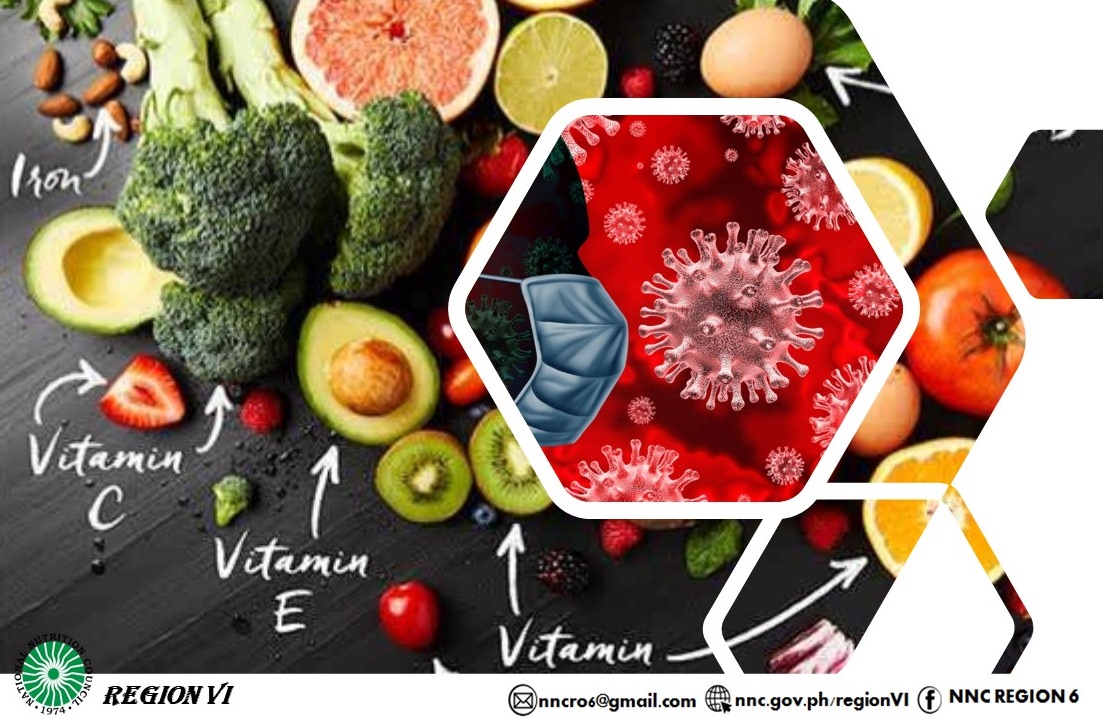
How to strengthen the Immune system against novel coronavirus (2019-nCoV)?
Your first line of defense is to choose a healthy lifestyle. Following general good-health guidelines is the single best step you can take toward naturally keeping your immune system strong and healthy.
1. EAT A DIET HIGH IN FRUITS AND VEGETABLES.
Fruits and Vegetables are good sources of Vitamins and minerals critical for optimizing your immune system.
- Vitamin A helps regulate the immune system and protect against infections by keeping skin and tissues in the mouth, stomach, intestines and respiratory system healthy. Get this immune-boosting vitamin from foods such as sweet potatoes, carrots, broccoli, spinach, red bell peppers, eggs or foods labeled “vitamin A fortified,” such as milk or some cereals.
- Vitamin C helps protect you from infection by stimulating the formation of antibodies and boosting immunity. Include more sources of this healthy vitamin by choosing citrus fruits such as oranges, grapefruit, papaya, tomato juice or foods fortified with vitamin C, such as some cereals.
- Vitamin E works as an antioxidant neutralizes free radicals and may improve immune function. Include vitamin E in your diet with fortified cereals, almonds, vegetable oils, and peanut butter.
- Zinc helps the immune system work properly and may help wounds heal. Zinc can be found in lean meat, poultry, seafood, milk, whole grain products, beans, seeds, and nuts.
- Other nutrients, including vitamin B6, folate, selenium, iron, as well as prebiotics and probiotics, also may influence immune response and play a role in a healthful eating style. Obtaining these nutrients from foods is preferred, so be sure to speak with your health care provider or a registered dietitian nutritionist before taking any immune-boosting supplements.
2. EXERCISE REGULARLY.
Regular physical activity can strengthen your immune system and help your body fight off infections and viruses. Aim for at least 30 minutes of physical activity for three days a week. This can include walking, biking, yoga, swimming, or other low impact workouts.
3. GET ADEQUATE SLEEP.
Get the recommended seven to eight hours of sleep a night. This will help keep your immune system in fighting shape.
4. TAKE STEPS TO AVOID INFECTION, SUCH AS WASHING YOUR HANDS FREQUENTLY AND COOKING MEATS THOROUGHLY.
Washing your hands properly can help prevent the spread of the germs (like bacteria and viruses) that cause diseases.
5. TRY TO MINIMIZE STRESS.
People who are under severe stress have low white blood cell counts and are more vulnerable to colds and flu. Once a person catches a cold or flu, stress can make symptoms worse.