


The Local Government Units (LGUs) have an indispensable role not only in combatting malnutrition in Eastern Visayas in this time of COVID-19 by enhancing its Local Nutrition Action Plans (LNAPs) but also in ensuring that their Rural Health Units (RHUs) and hospitals can conduct free Newborn Screening (NBS) procedures to all newborn babies since NBS is already included in the PhilHealth Newborn Care Package. NBS is a simple procedure to find out if your baby has a congenital metabolic disorder that may lead to mental retardation or even death if left untreated since most babies with metabolic disorders look “normal” at birth. The result of early detection may lead to early treatment to prevent the consequences of untreated conditions. Therefore, it is important that the special absorbent filter cards used in the screening are well-stocked and LGUs expand their NBS coverage.
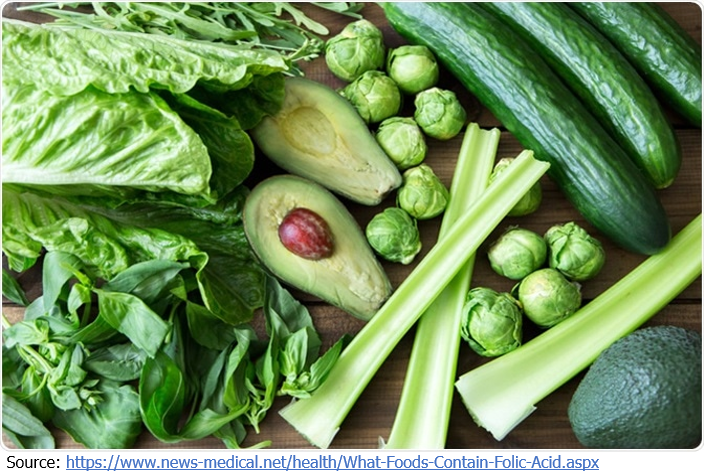
Today, we have been busy in addressing the issue of COVID-19 Pandemic that we seem to forget the other essential aspects of nutrition of children and young people which is improving the Pre-Conception Health of adolescent girls and boys of reproductive age especially on the matter of Folic Acid Supplementation. It is a common misconception that Folic Acid or Folate must only be taken when a woman is already pregnant, and it is only for the consumption of women. We beg to disagree. Folate or Vitamin B9 is an important vitamin to develop a healthy body since it plays a vital role in the generation of healthy cells in our body such as Red Blood Cells. It is recommended that adolescent boys and girls age 14 years old and above to take 400 micrograms of Folic Acid every day. Adequate Vitamin B9 supplementation of women of reproductive age has been known to reduce 70% of chances of giving birth to babies with Neural Tube Defects and facial clefts.
Children born with Rare Disorders – conditions that affect less than 1 in 20,000 individuals, may appear normal at birth, only to develop problems in later life that can be long-standing, life-threatening, progressive, disabling conditions that may require multi-disciplinary care. These children are at risk for serious consequences due to delay in and sometimes incorrect diagnosis due to lack of understanding of these disorders. Children born with Rare Disorders are rare and few, but they too have an equal right to life and an equal right to access life support.
Giving birth in hospitals and birthing clinics is somehow difficult under this current Pandemic due to an additional layer of health protocols and systems in place to prevent the transmission of the virus to the mother and the child they are about to give birth to. While we appreciate the additional health and safety measures, it is important that the government and hospitals should set aside a portion of their bed capacity for giving birth and other relevant cases that need hospitalization. In particular, we have to innovate to ensure that women with complicated pregnancies have access to hospital facilities and services which is vital for the survival of both the mother and child.
Let us help raise awareness on birth defects and rare disorders in the country, for adolescent girls to participate to continue to receive the WIFA Supplementation Program of DepEd and DOH, advocate for the expansion of coverage of NBS in your locality, support the implementation of PPAN 2017-2022, advocate for a COVID-19 plan that incorporates a comprehensive strategy to address the effects of the Pandemic to health and nutrition of each and every individual and find time to commit yourself to volunteer and humanitarian work. #NASLabordo #LeoChristianLauzon